Sauna and Steam Room LED Lighting: How to Specify a High-Temperature Strip
Heat stratifies and steam finds every gap. Placement, product and power for lighting that survives a sauna.
Sauna LED lighting has a short list of rules, and breaking any of them usually shows up within a season. Saunas and steam rooms are among the harshest places you can put an LED strip. Heat shortens LED life and breaks down adhesives and jackets. Steam condenses into every gap it can find. Standard strips, even waterproof ones, aren't built for that combination.
Getting it right comes down to three things: the right product, the right position, and keeping everything except the light itself out of the room.
Two Different Environments
- Dry (Finnish-style) saunas run hot and dry, commonly around 175–200 °F (80–95 °C) at bench height and much hotter near the ceiling.
- Steam rooms run far cooler, typically around 104–120 °F (40–50 °C), but at close to 100% humidity, with condensation on every surface.
A sauna is primarily a heat problem; a steam room is primarily a moisture problem. The same product may not suit both, so specify for the room you are building.
Put the Light Low
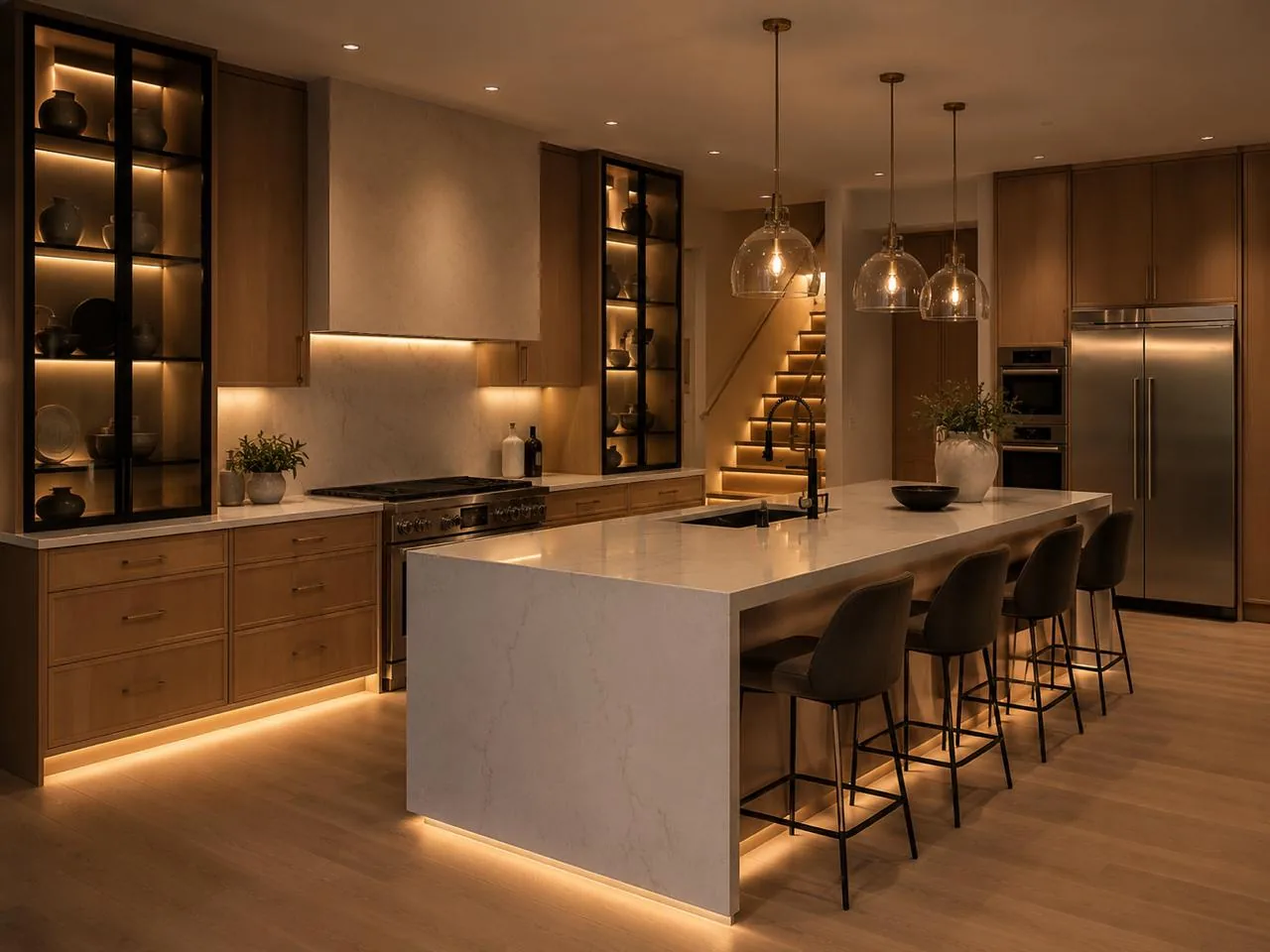
Hot air rises and stratifies: the ceiling of a sauna is its hottest surface. Lighting placed low (under bench fronts, behind backrests, along the floor line) runs in the coolest part of the room and gives the soft, indirect glow people expect in a sauna anyway. Keep strips out of the upper wall and ceiling, and never place them near the heater.
In steam rooms, recessed and fully sealed linear light along bench edges and wall niches works well, provided every end and connection is sealed for continuous condensation.
Use a Product Built for It
Ask for:
- a maximum operating temperature that exceeds the conditions at the mounting position, with margin;
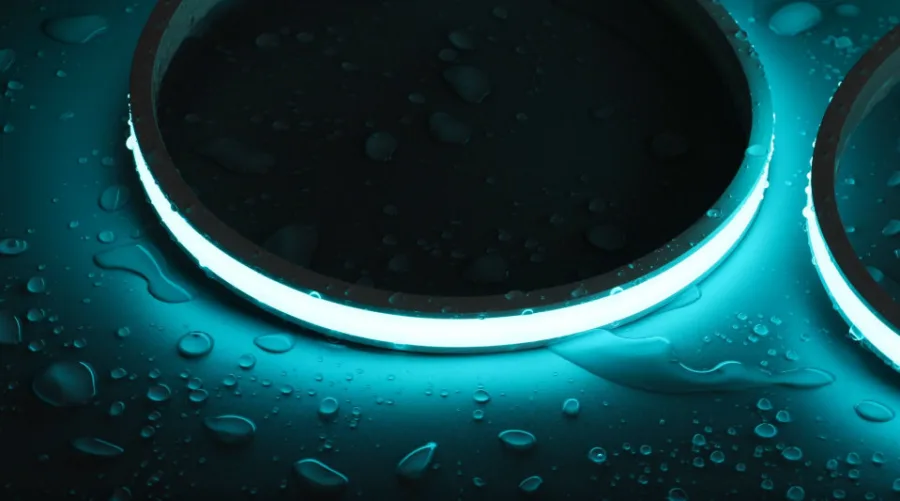
- full encapsulation in heat-stable, UV- and yellowing-resistant silicone, not a sleeve over a standard strip;
- IP67 or better for moisture;
- sealed end caps and cable exits rated for the same conditions;
- the manufacturer's statement that the product is intended for sauna or steam use.
ENKORA's HIGH TEMPERATURE series is purpose-built for these spaces. Confirm the rated temperature for your installation when you request a quote.
Keep Drivers and Connections Outside
The power supply should never be inside the hot room. Put drivers outside, in a ventilated and accessible space, and run only the rated lead wire through the wall, sealed where it passes through. Make connections outside the room wherever you can. Any that have to be inside must be rated for the conditions and sealed.
Wiring into a sauna or steam room also has code requirements of its own. Have a licensed electrician design the circuit and confirm what your jurisdiction requires.
Color Temperature and Dimming
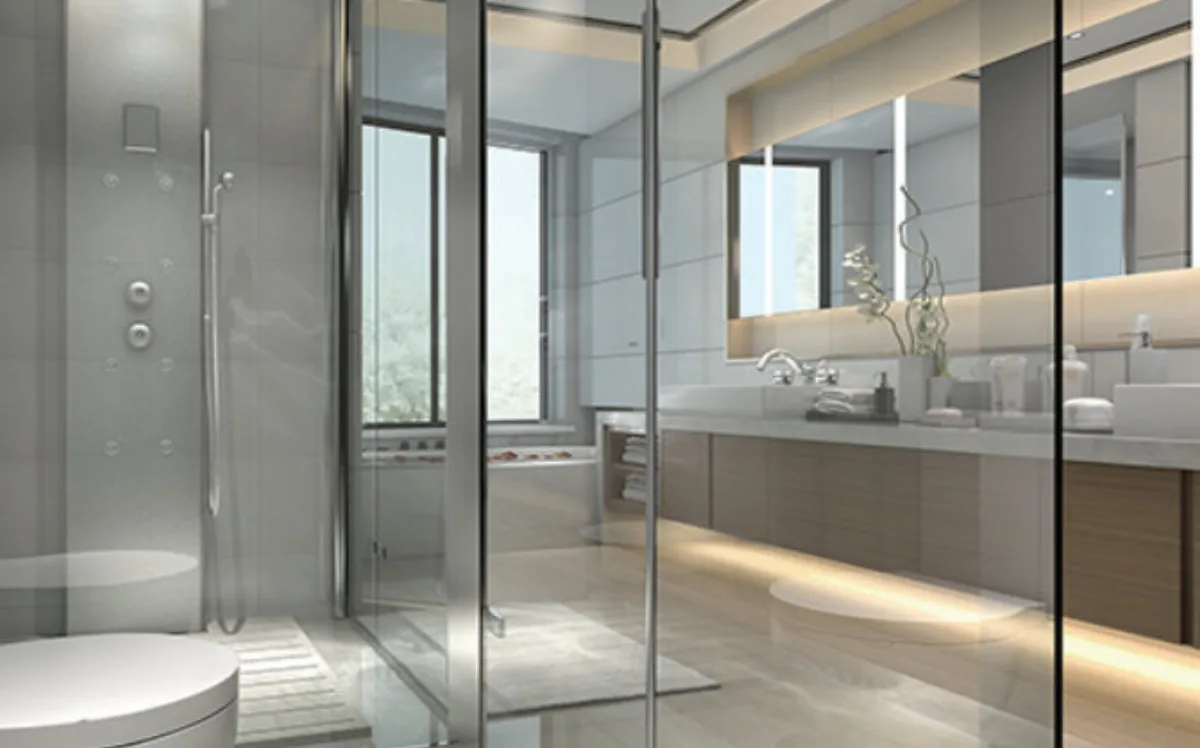
Warm light suits the relaxation these rooms are for: 2700K or lower is typical, and dimming lets the space shift from cleaning brightness to a quiet glow. Keep dimmers and controls outside the room. For surrounding changing rooms and spa corridors, see bathroom and vanity and pool and spa collections.
A Typical Layout
In a residential sauna of about 6 × 7 ft, a simple and effective plan looks like this:
- One strip under the front edge of the upper bench, lighting the lower bench and floor.
- A second strip behind the backrest, washing the wall.
- Both runs fed from a driver in the adjacent changing room, with the lead wires passing through the wall in sealed entries.
- A dimmer outside the door, so users can set the level before they go in.
It's quiet, even light with no visible source, and every hot-side component is one you can replace without opening the wall.
Frequently asked questions
Can I use regular LED strip in a sauna?
No. Standard strips, even waterproof ones, are not designed for sauna heat; adhesives, jackets and LEDs degrade quickly. Use a product purpose-built and rated for the temperature at the mounting position.
Where should LED lights go in a sauna?
Low in the room: under bench fronts, behind backrests or along the floor line, where temperatures are lowest. Keep lights away from the ceiling and the heater.
Where should the LED driver go for a sauna?
Outside the hot room, in a ventilated and accessible location. Run only the rated lead wire into the room, sealed where it passes through the wall.
What is the difference between sauna and steam room lighting?
Saunas are hot and dry, so heat rating is the priority. Steam rooms are cooler but saturated with moisture, so full sealing against condensation matters most.
Specify with ENKORA
Working on a project? Send us the drawings and we will propose strips, profiles and drivers that fit together.