
LED Channels
Aluminum channels and diffusers for clean, finished LED strip installations.
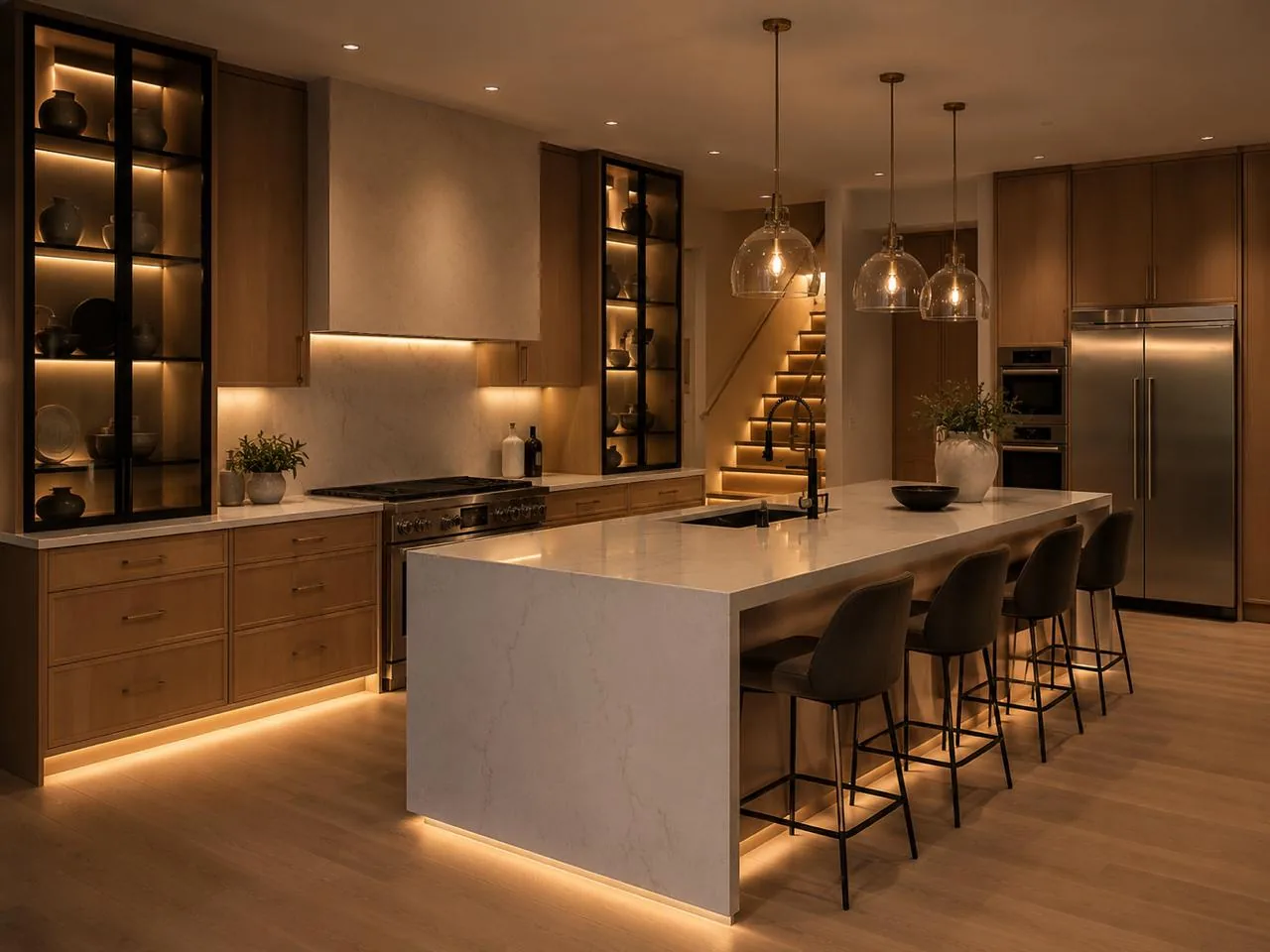
Linea Surface Profile — 6.6 ft
Surface · Frosted · 6.6 ft
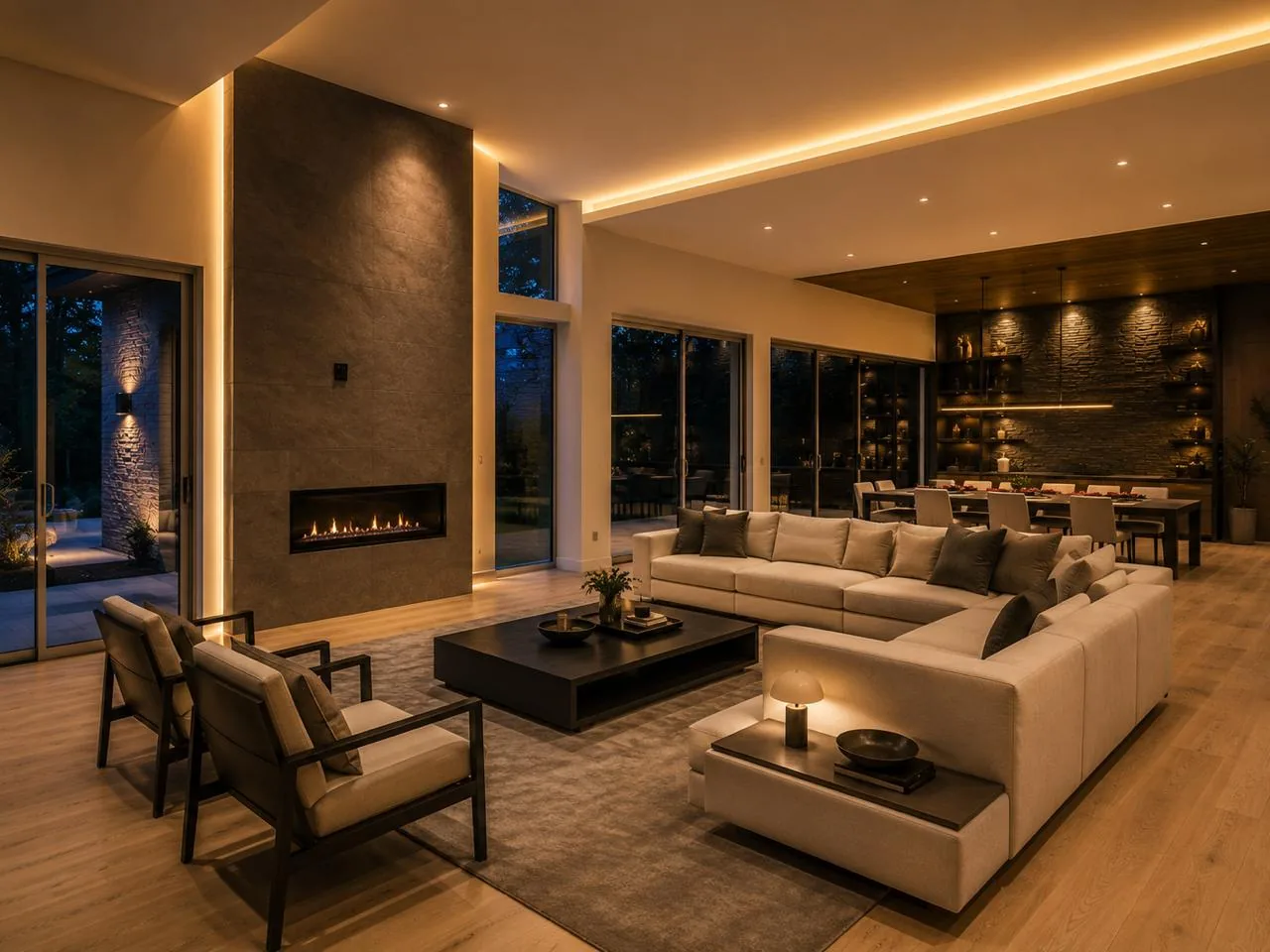
Linea Recessed Profile — 6.6 ft
Recessed · Opal · 6.6 ft
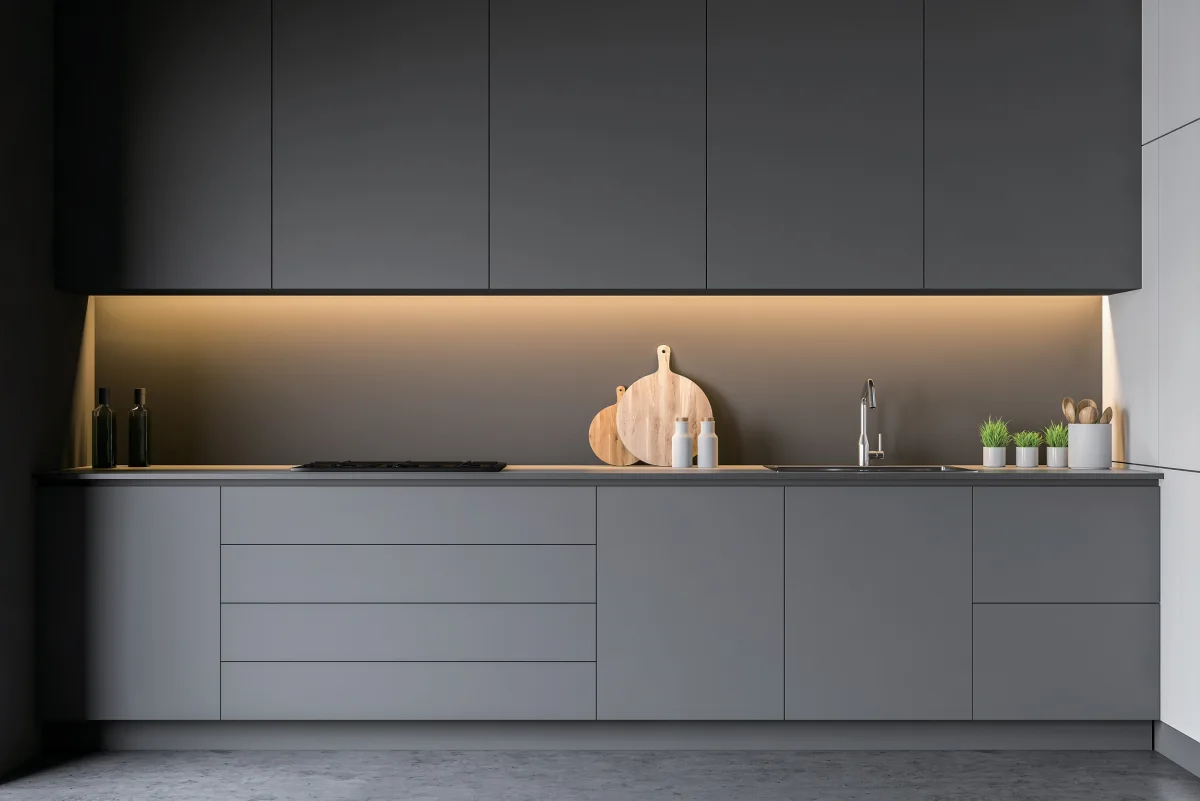
Linea Corner 45° Profile — 6.6 ft
Corner · Frosted · 6.6 ft
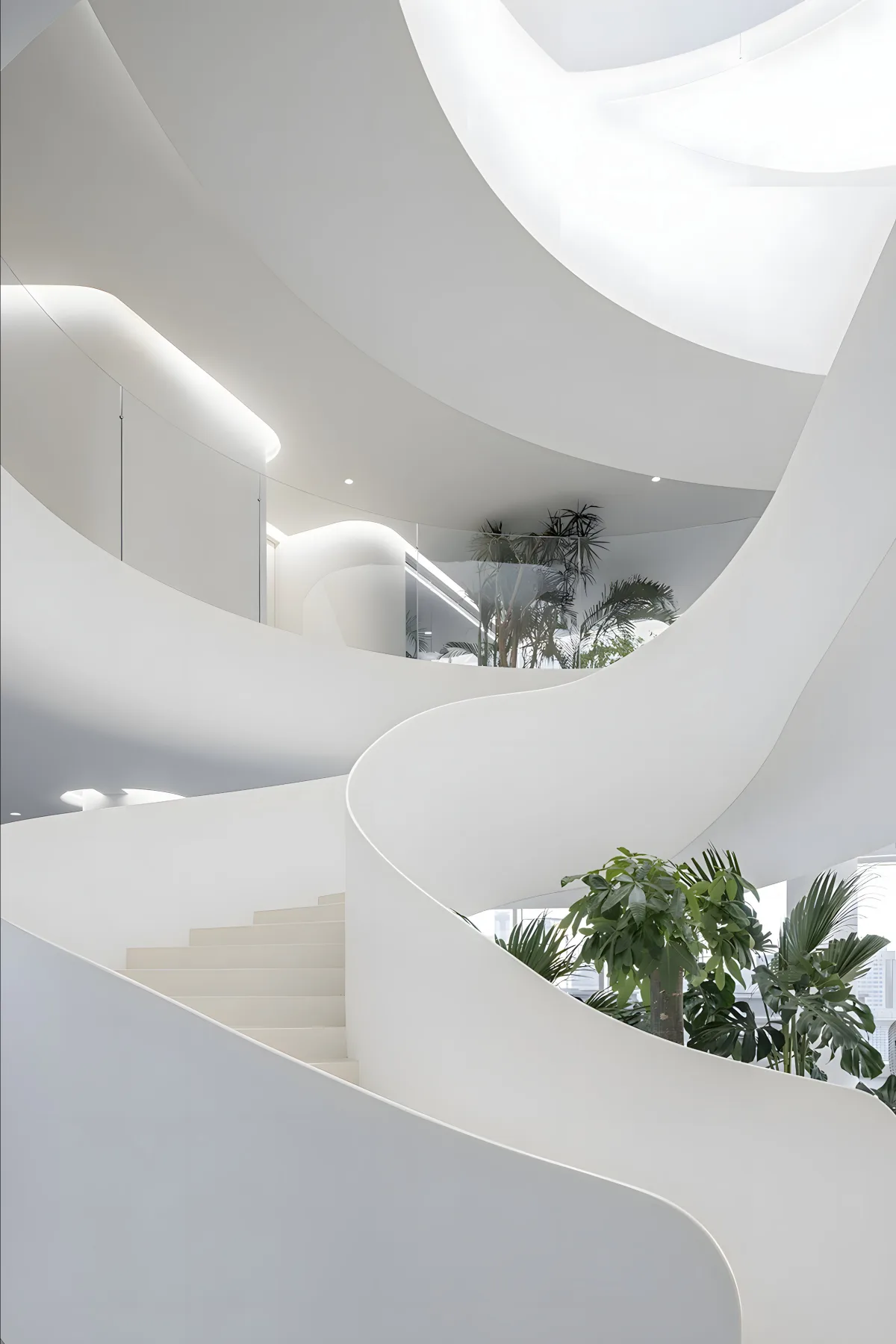
Linea Trimless Recessed — 6.6 ft
Trimless · Opal · 6.6 ft
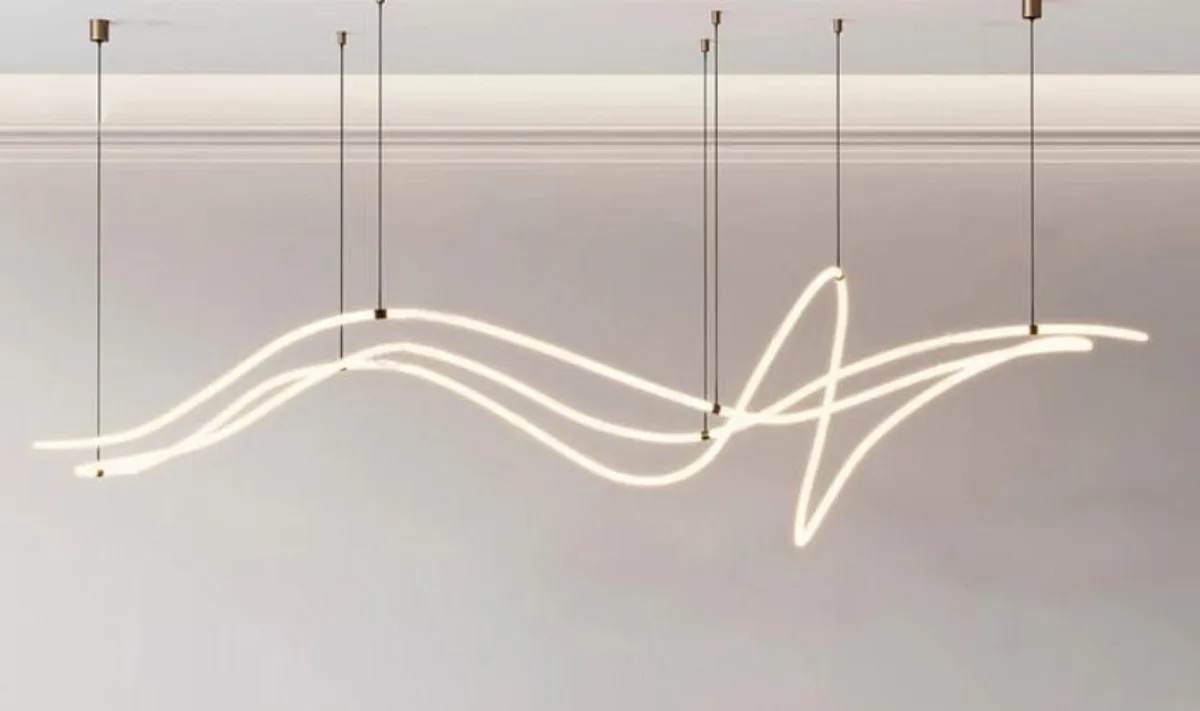
Linea Suspended Linear — 4 ft
Suspended · Opal · 4 ft
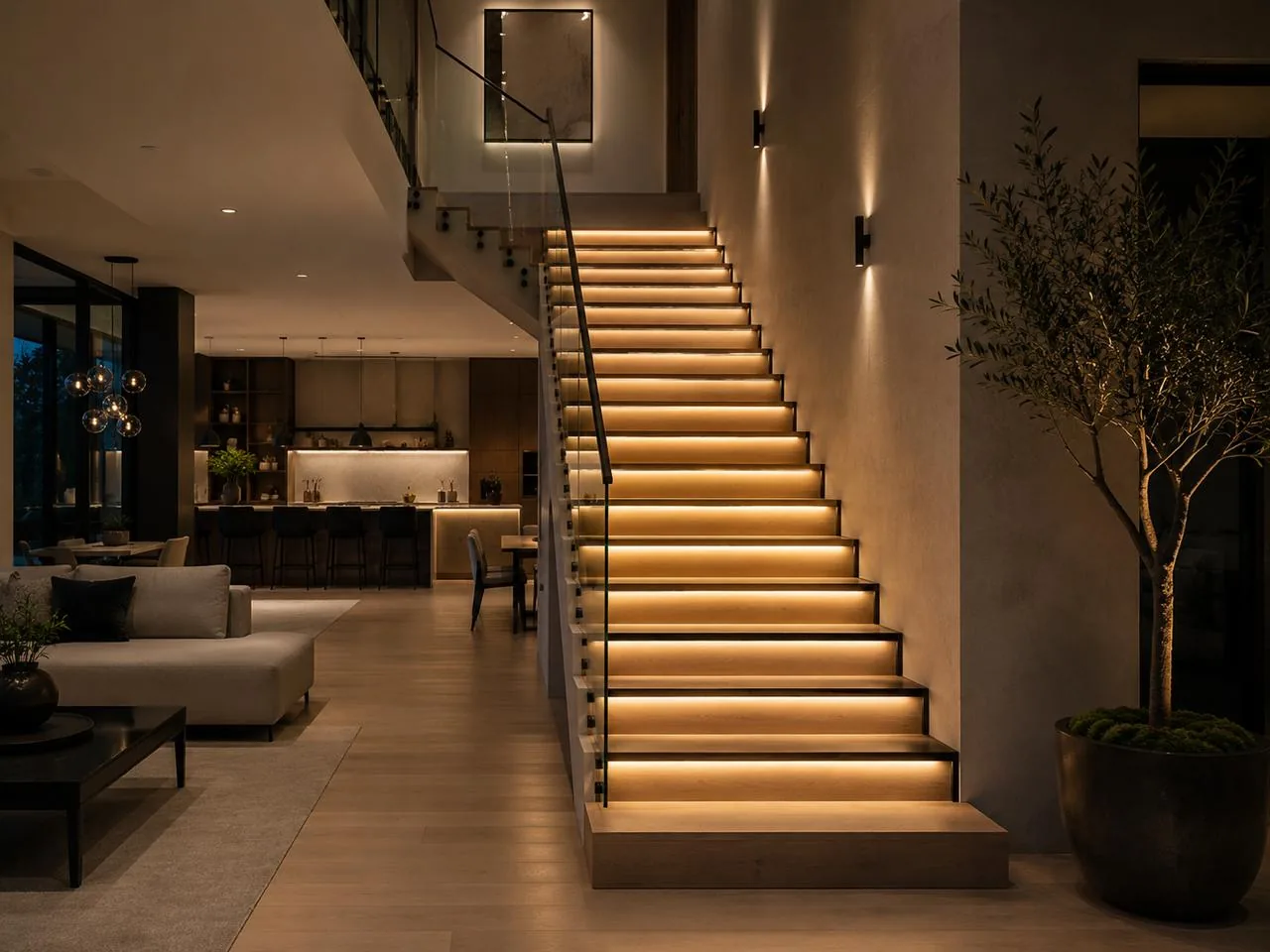
Linea Step Profile — 3.3 ft
Surface · Frosted · 3.3 ft
Choosing an LED channel
An aluminum channel does three jobs: it carries heat away from the strip, it holds a diffuser at a set distance so the light reads as a line, and it gives the install a clean, straight edge. Strip that is stuck straight onto wood or drywall runs hotter and loses output sooner.
Pick the mounting first. Surface channels go onto finished surfaces, recessed channels sit flush in a routed groove or in drywall, corner channels aim light at 45° under cabinets and into coves, suspended channels hang as linear fixtures, and stair profiles light treads and nosings.
Then match the inside width to the strip and the depth to the look. A deeper channel lets a diffuser hide SMD dots; a shallow one usually needs COB strip. Opal diffusers hide the source best, frosted ones balance output and smoothness, and clear lenses give the most light.
Common questions
Do LED strips need an aluminum channel?
Not to work, but almost always to work well. The channel acts as a heat sink, which keeps the LEDs at their rated output and life, and the diffuser hides dots and glare. Bare strip is acceptable only where it is hidden and has a metal surface to sit on.
What size LED channel do I need?
The inside width has to be at least the width of the strip, and the depth decides how well the diffuser hides the LEDs. Deeper channels give a smoother line with SMD strip; with COB strip a shallow channel is usually enough.
How do you install LED channel in drywall?
Use a recessed channel with plaster flanges (often called a mud-in or plaster-in profile). It is fixed to the framing before taping, then finished over with joint compound so only the diffuser shows. Plan wire routes and feed points before the board goes up.
Opal, frosted or clear diffuser: which should I use?
Opal hides the LEDs best and gives the softest line, with the most light loss. Frosted is the usual balance between smoothness and output. Clear passes the most light but shows the source, so it suits strip that is hidden from direct view.