
Neon Flex
Silicone-jacketed neon in top-bend, side-bend and 360° round formats.
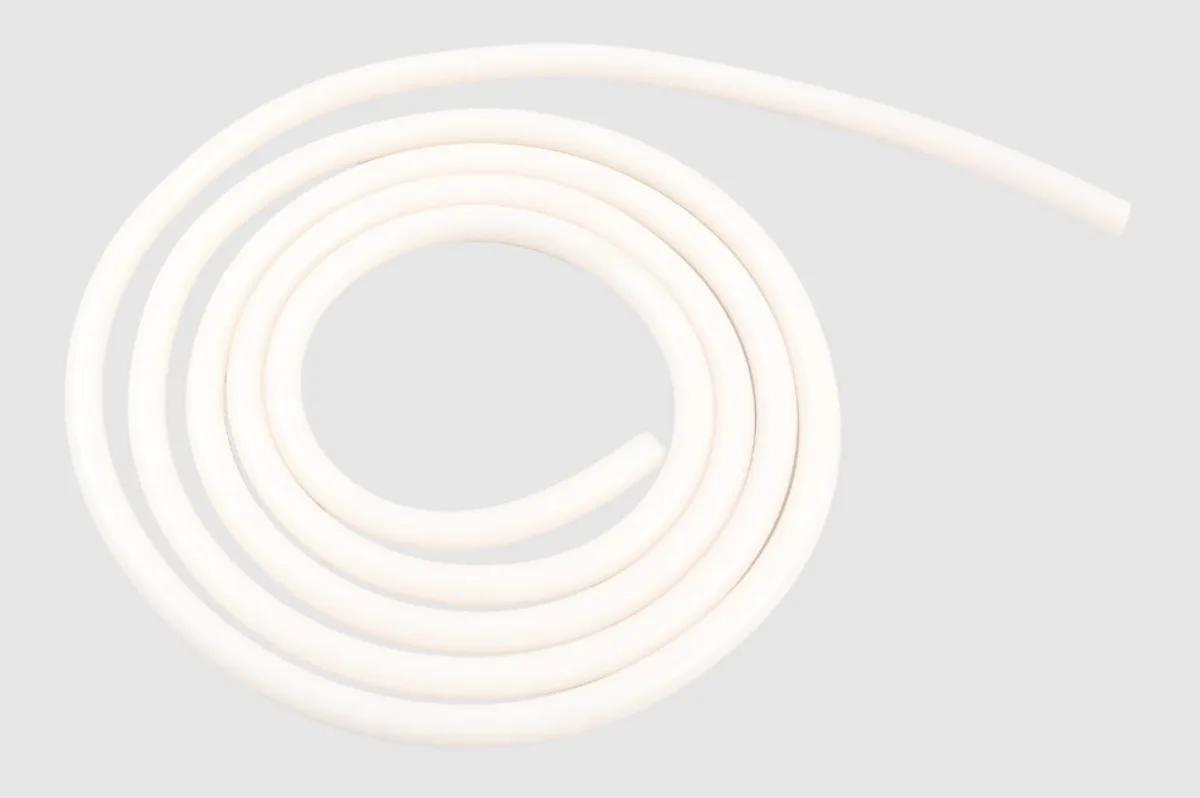
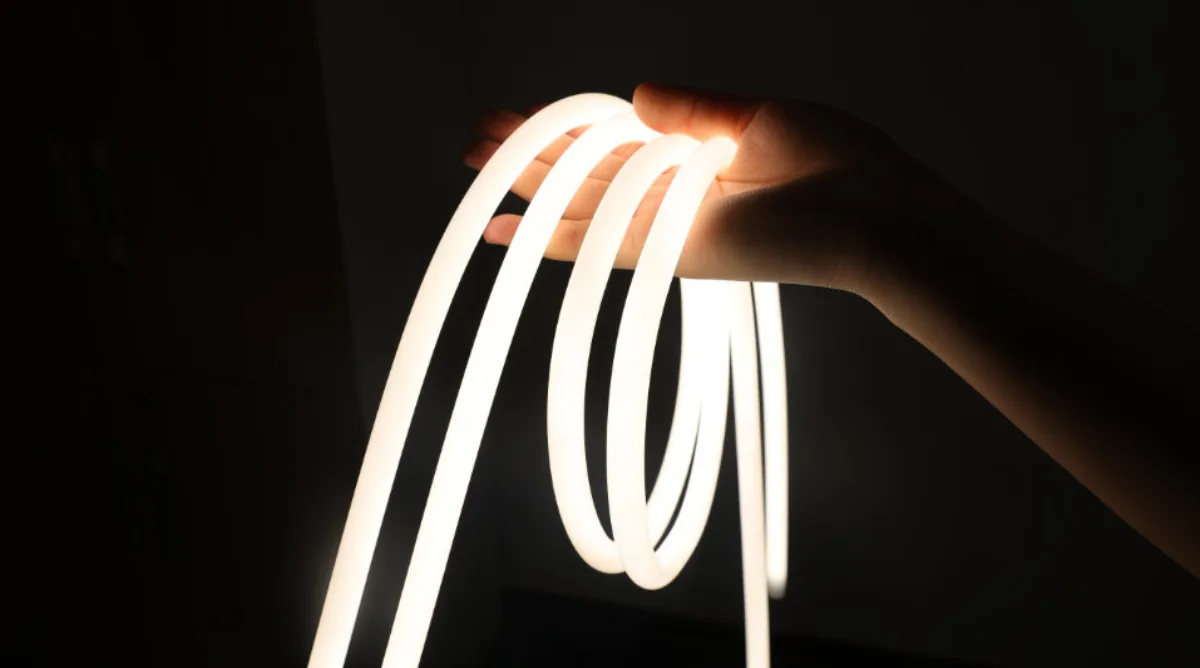
NEON FLEX 360° COB LED Neon Static White 1.5 W/ft 24V Ø10 mm IP66
COB · 24V · 3000K · 110 lm/ft
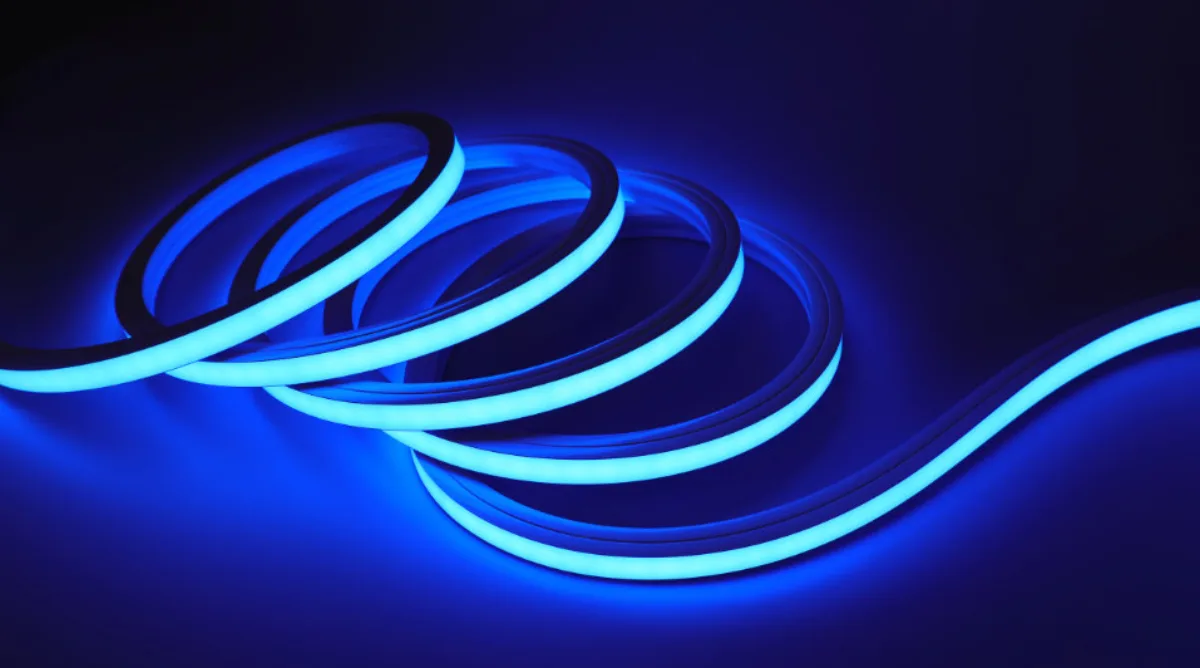
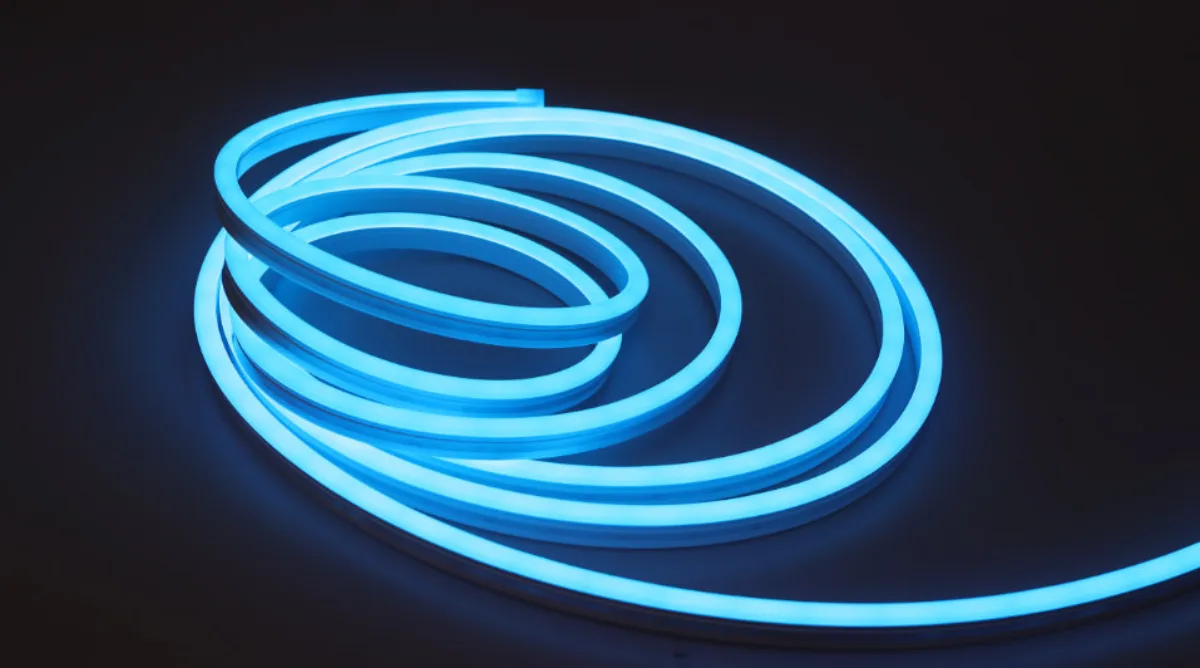
NEON FLEX TOP BEND COB LED Neon RGB 3.7 W/ft 24V 12×5 mm IP68
COB · 24V · RGB
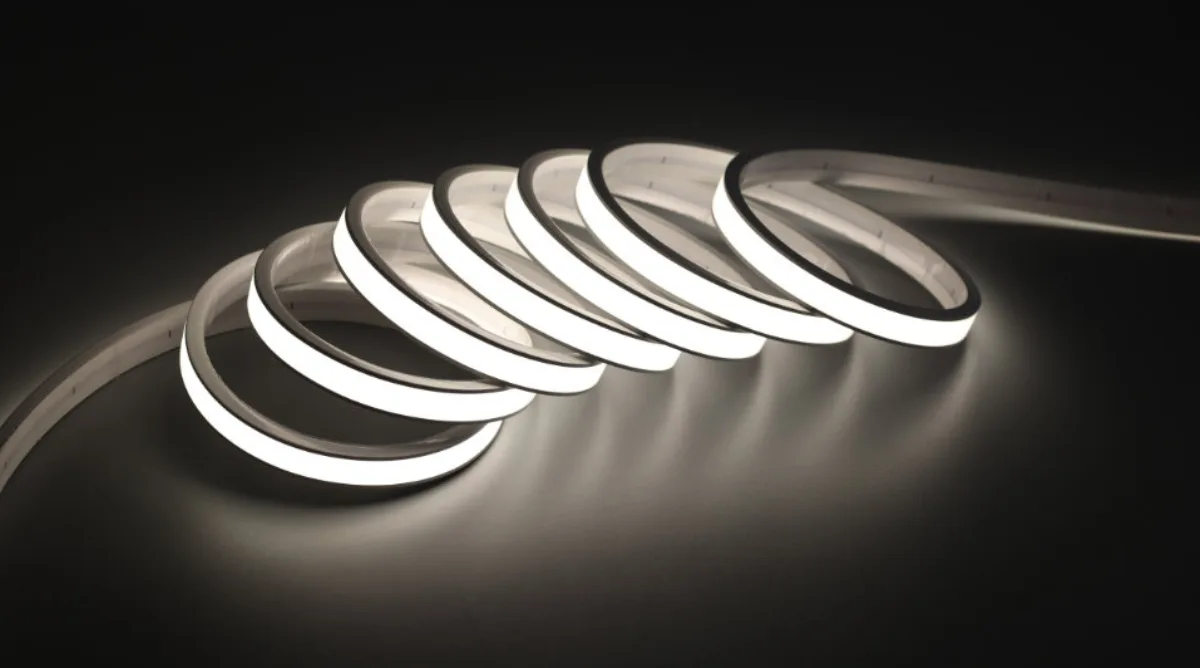
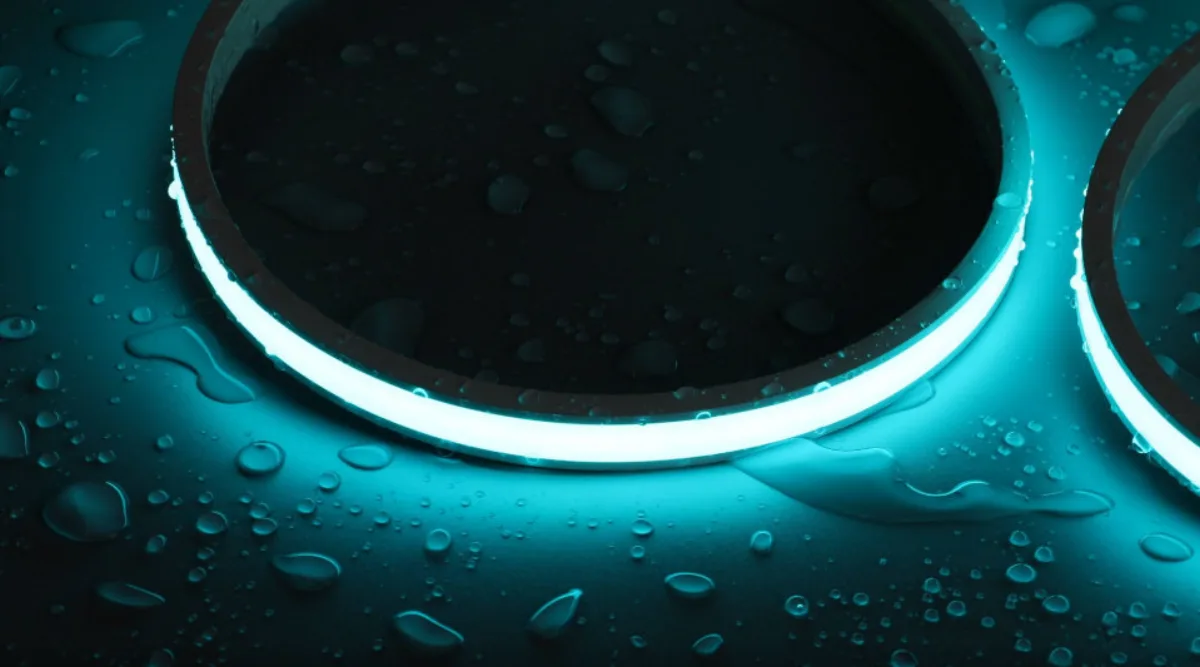
NEON FLEX TOP BEND COB LED Neon Static White 4.6 W/ft 24V 12×5 mm IP68
COB · 24V · 3000K · 274 lm/ft
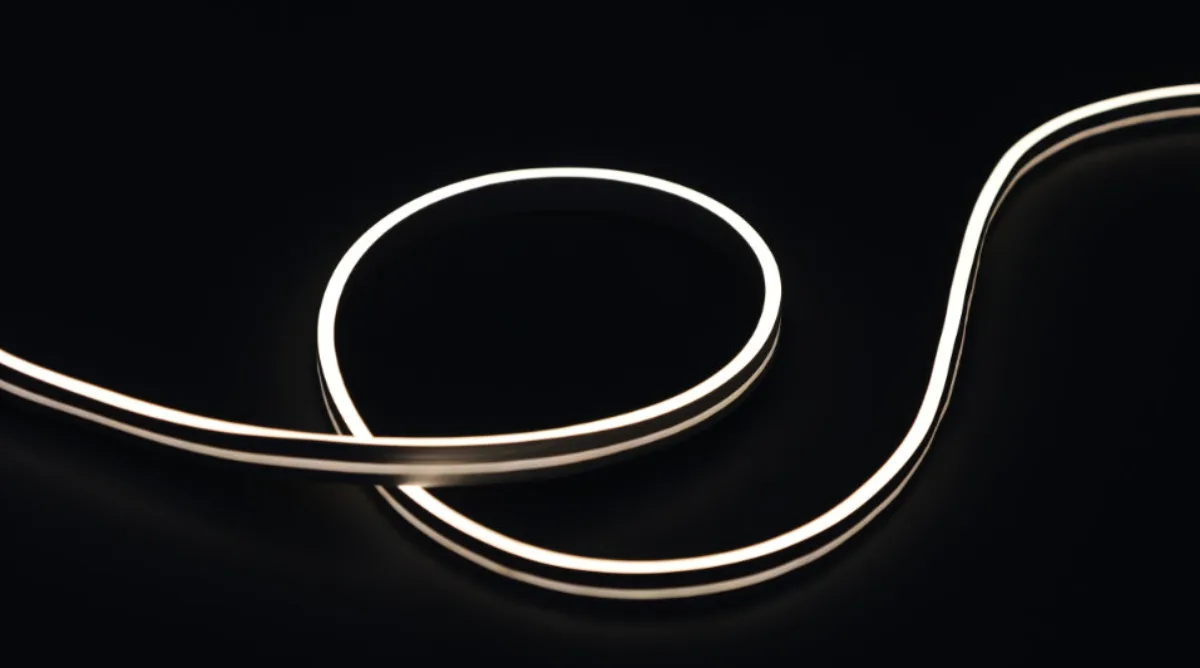
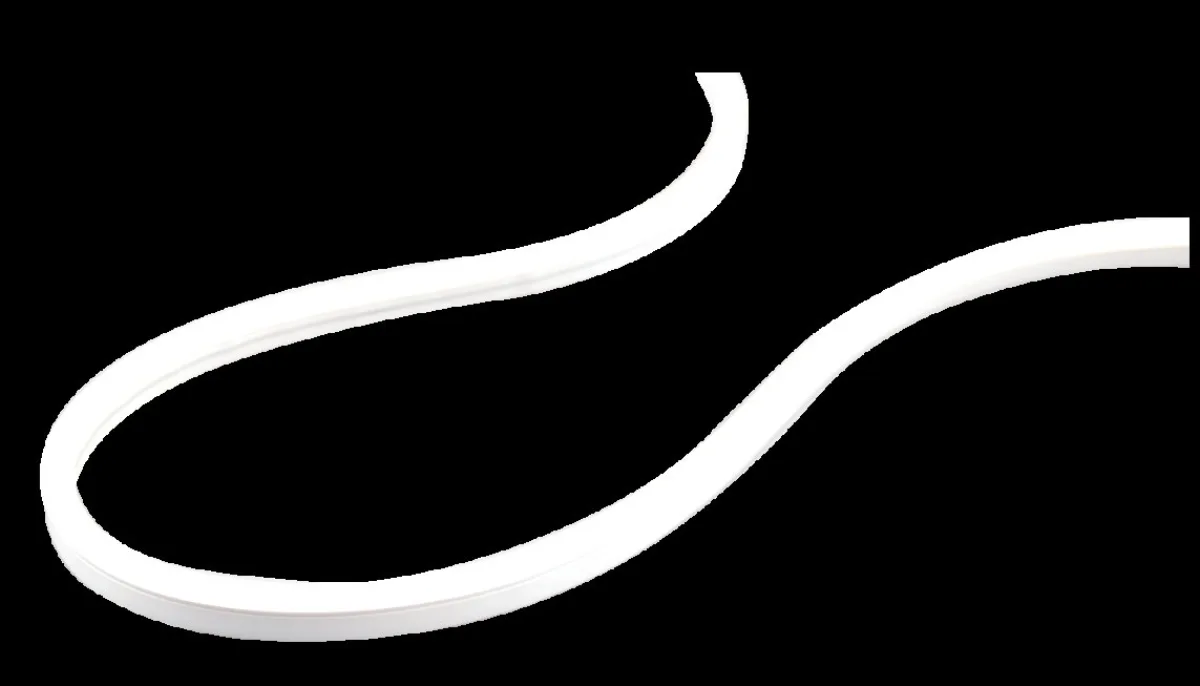
NEON FLEX SIDE BEND SMD LED Neon Static White 1.8 W/ft 24V 4×10 mm IP66
SMD · 24V · 3000K · 27 lm/ft
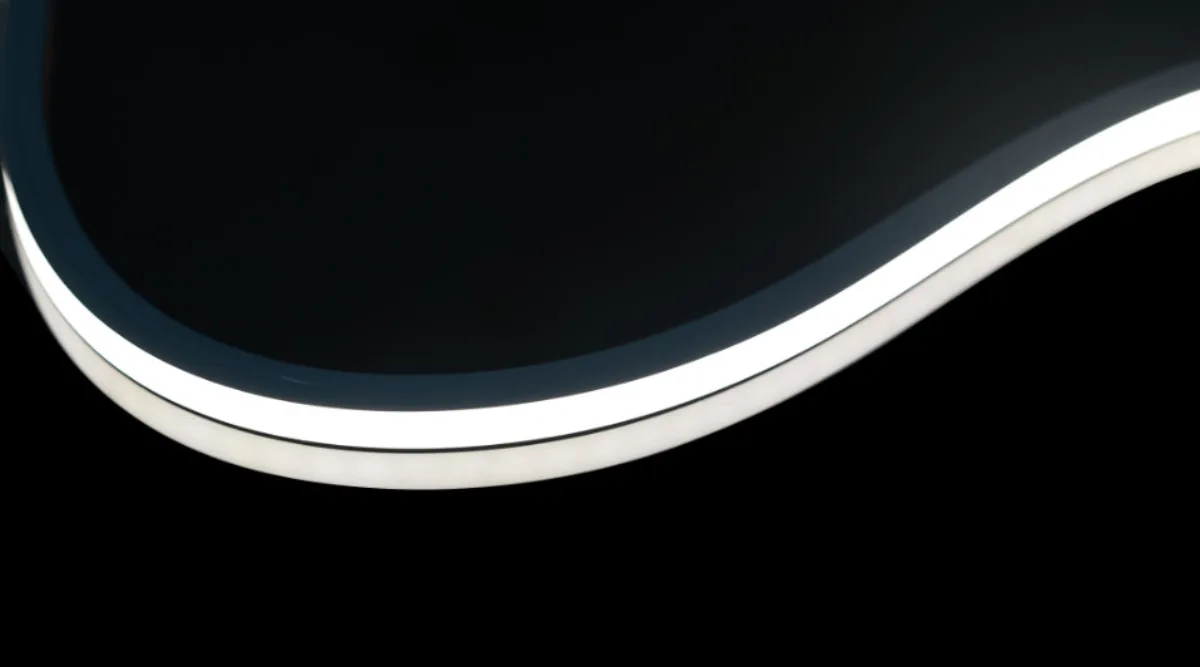
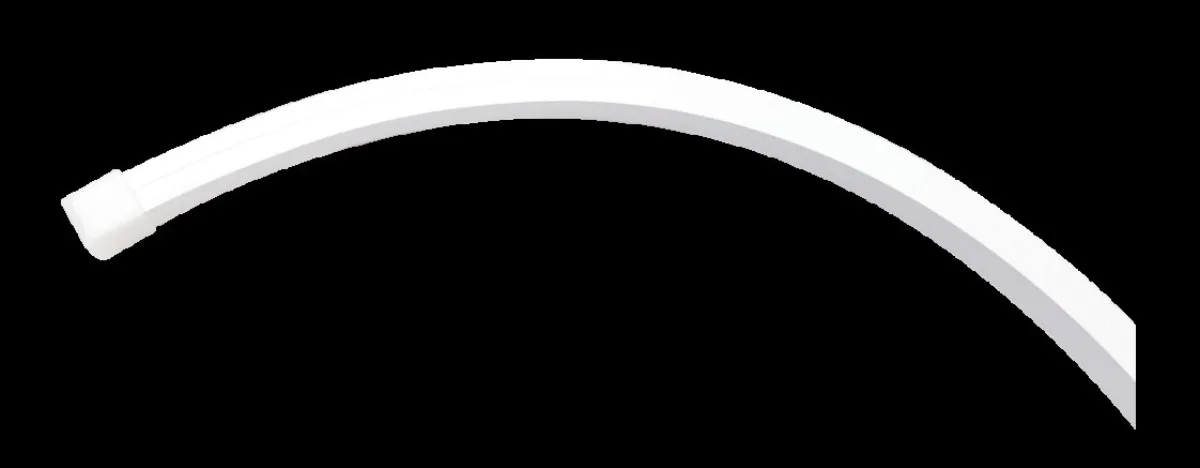
NEON FLEX SIDE BEND SMD LED Neon Static White 2.2 W/ft 12V 6×12 mm IP66
SMD · 12V · 3000K
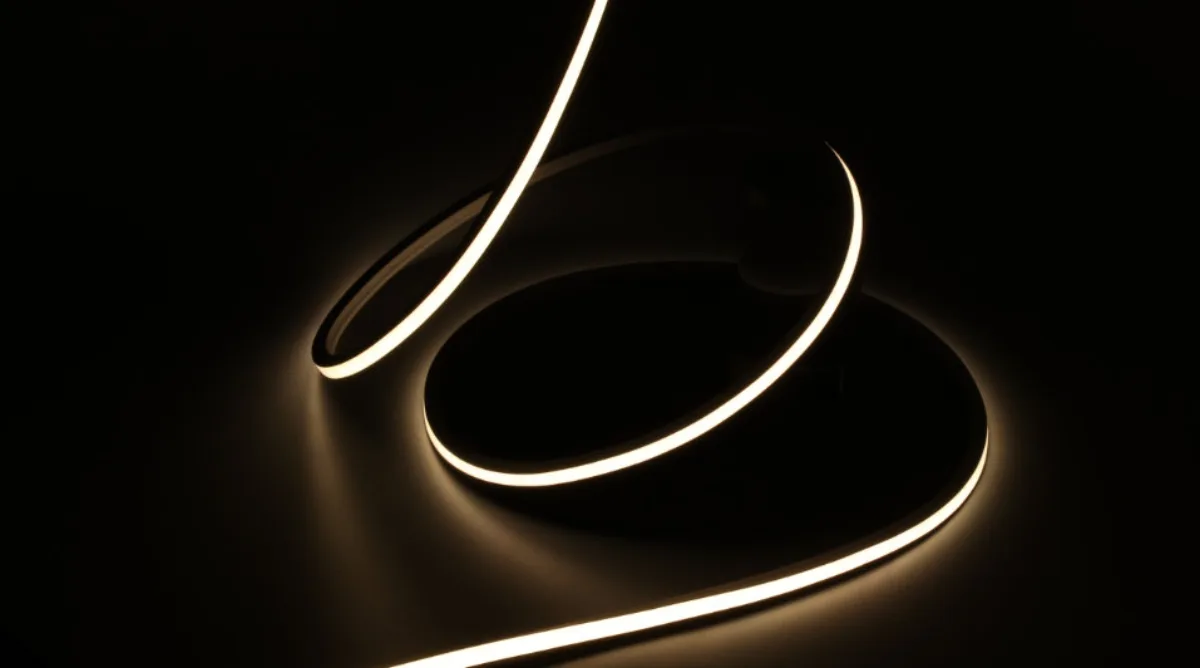
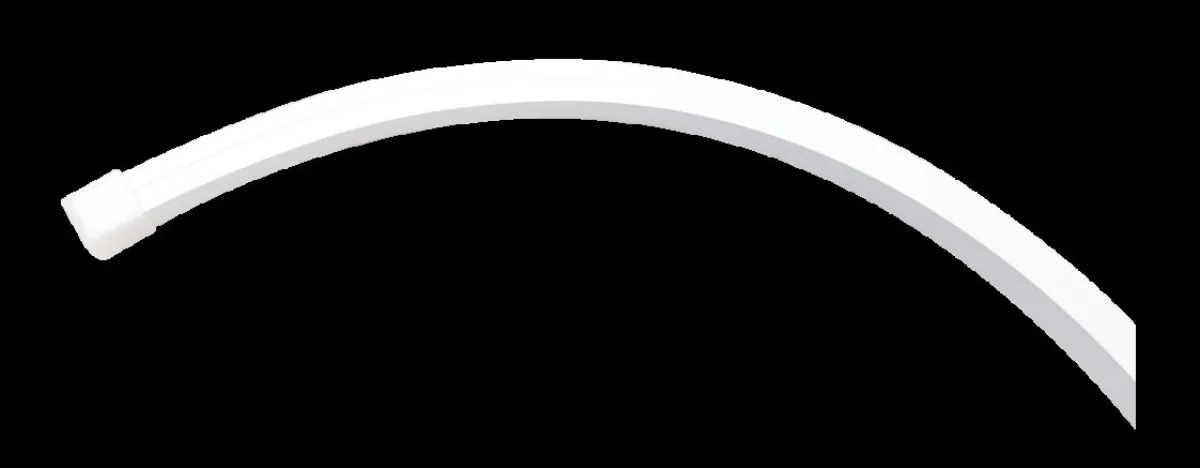
NEON FLEX TOP BEND SMD LED Neon Static White 2.2 W/ft 24V 6×6 mm IP66
SMD · 24V · 3000K · 165 lm/ft
NEON FLEX SIDE BEND SMD LED Neon Static White 2.2 W/ft 12V 8×17 mm IP66
SMD · 12V · 3000K · 61 lm/ft
NEON FLEX SIDE BEND SMD LED Neon RGB 4.6 W/ft 12V 8×17 mm IP66
SMD · 12V · RGB
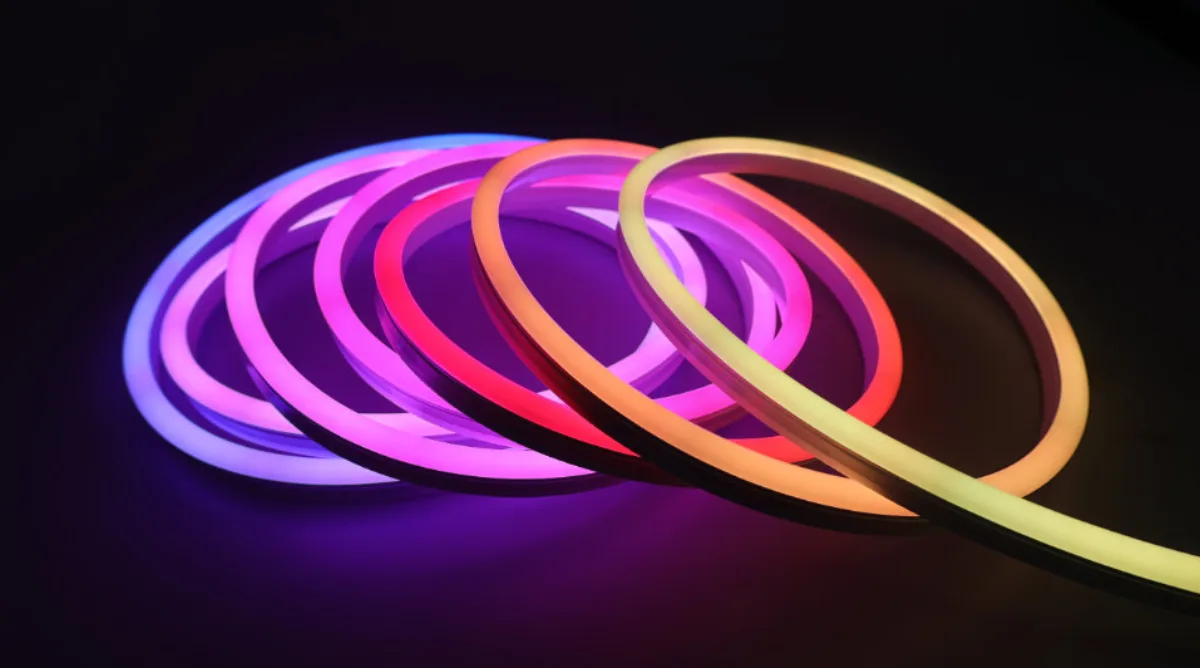
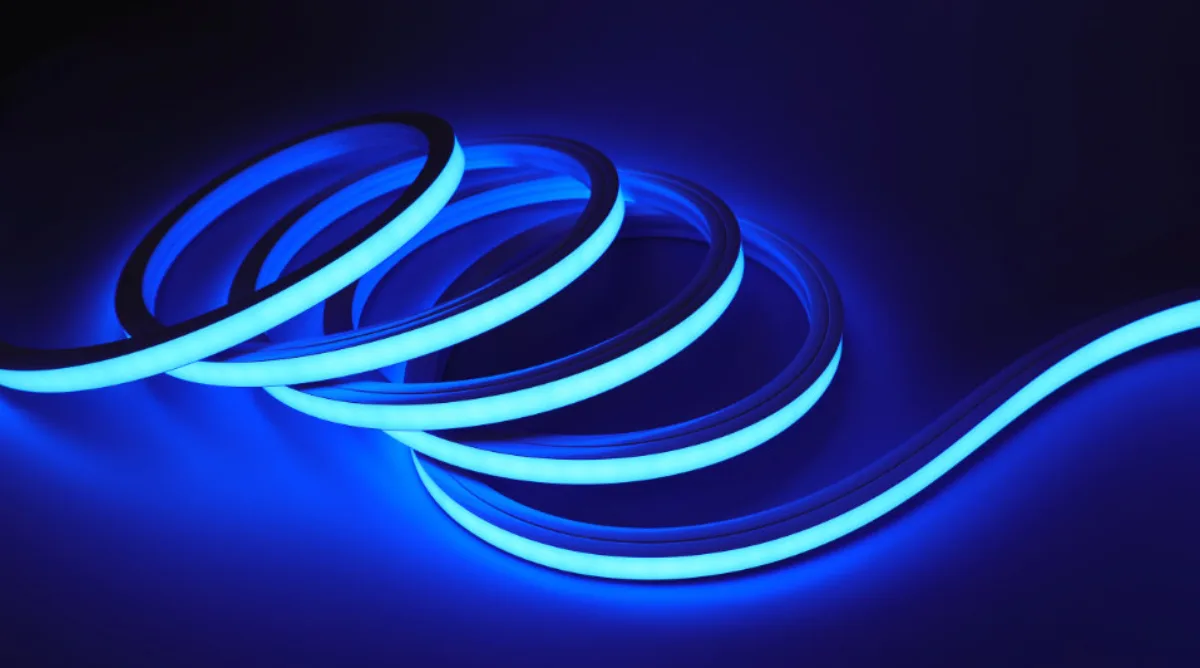
NEON FLEX SIDE BEND SMD LED Neon RGB SPI 4.6 W/ft 24V 8×17 mm IP66
SMD · 24V · RGB SPI
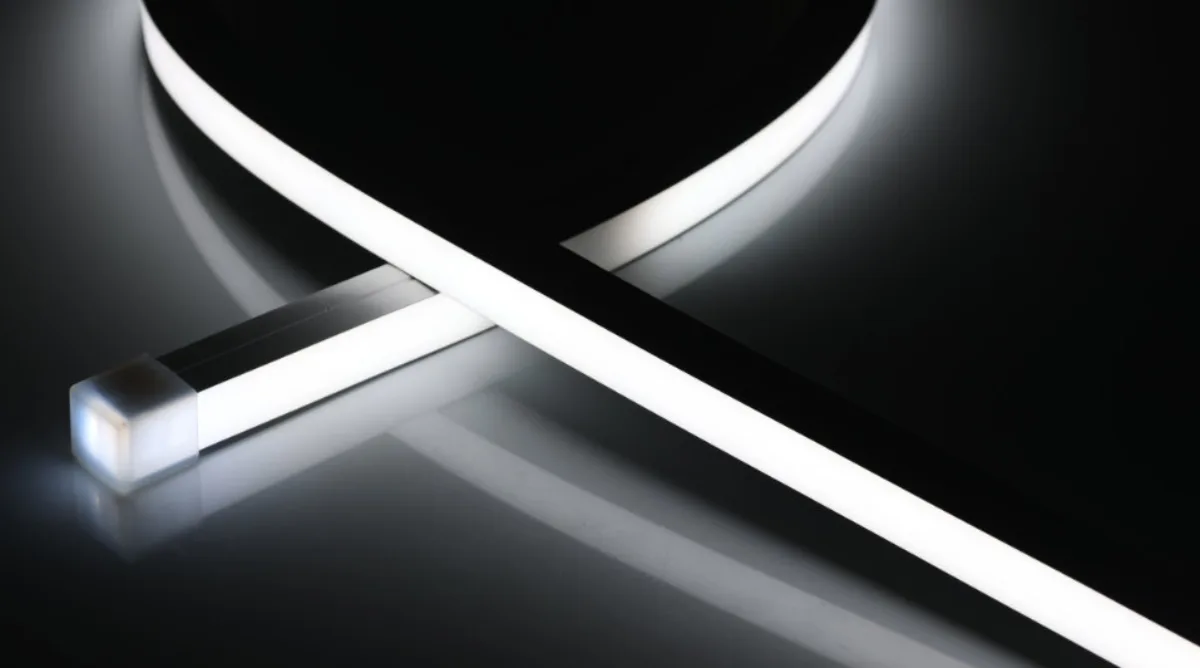
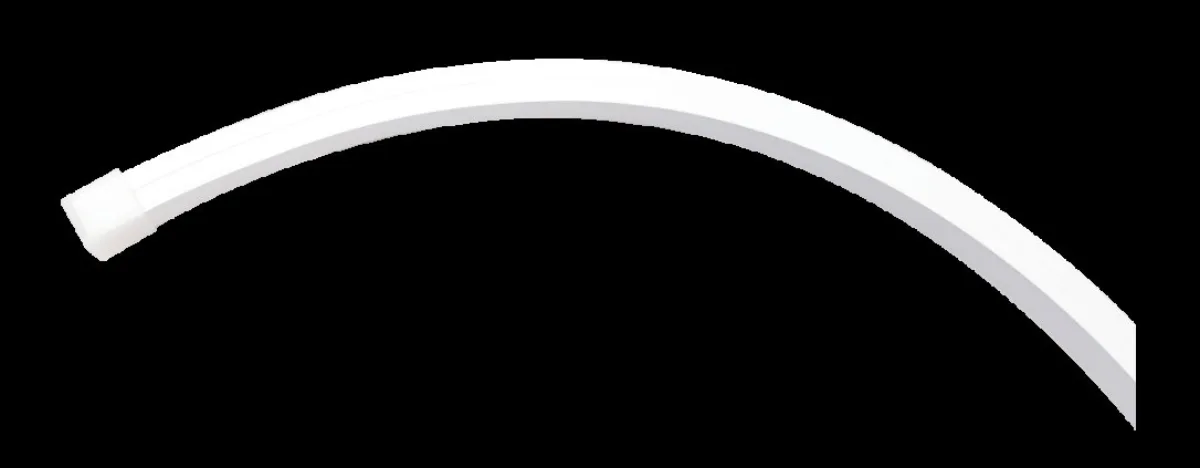
NEON FLEX TOP BEND SMD LED Neon Static White 2.2 W/ft 24V 10×10 mm IP66
SMD · 24V · 3000K · 92 lm/ft
NEON FLEX TOP BEND SMD LED Neon Static White 2.9 W/ft 24V 12×12 mm IP66
SMD · 24V · 3000K · 123 lm/ft
NEON FLEX SIDE BEND SMD LED Neon Static White 4.6 W/ft 24V 12×20 mm IP66
SMD · 24V · 3000K · 91 lm/ft
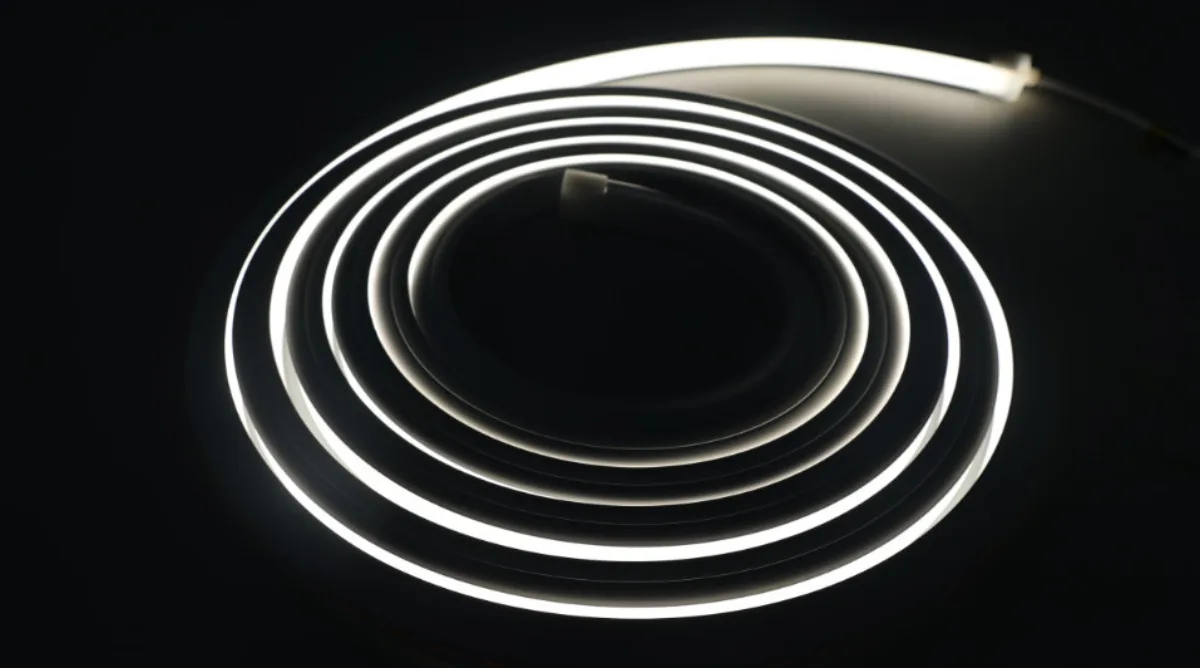
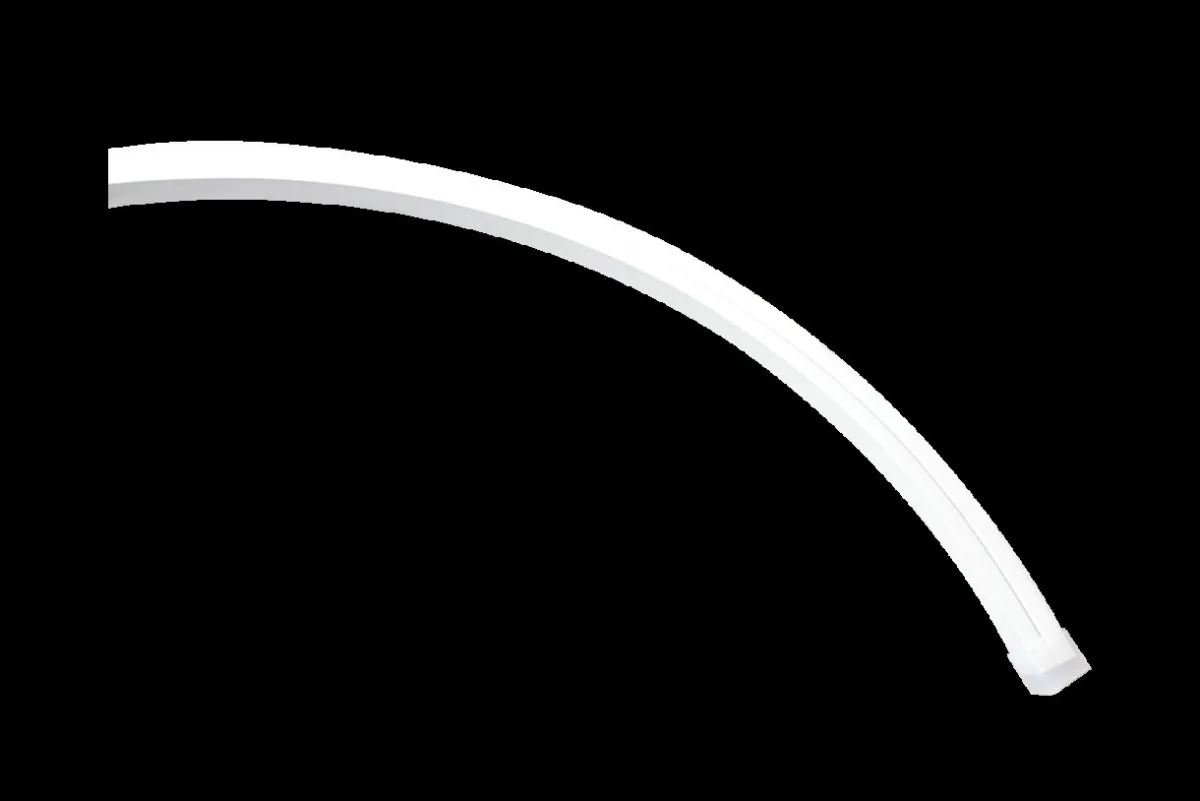
NEON FLEX TOP BEND SMD LED Neon Static White 4.3 W/ft 24V 16×16 mm IP66
SMD · 24V · 3000K · 149 lm/ft
NEON FLEX TOP BEND SMD LED Neon RGB 4.6 W/ft 24V 16×16 mm IP66
SMD · 24V · RGB
NEON FLEX TOP BEND SMD LED Neon RGB SPI 4.6 W/ft 24V 16×16 mm IP66
SMD · 24V · RGB SPI

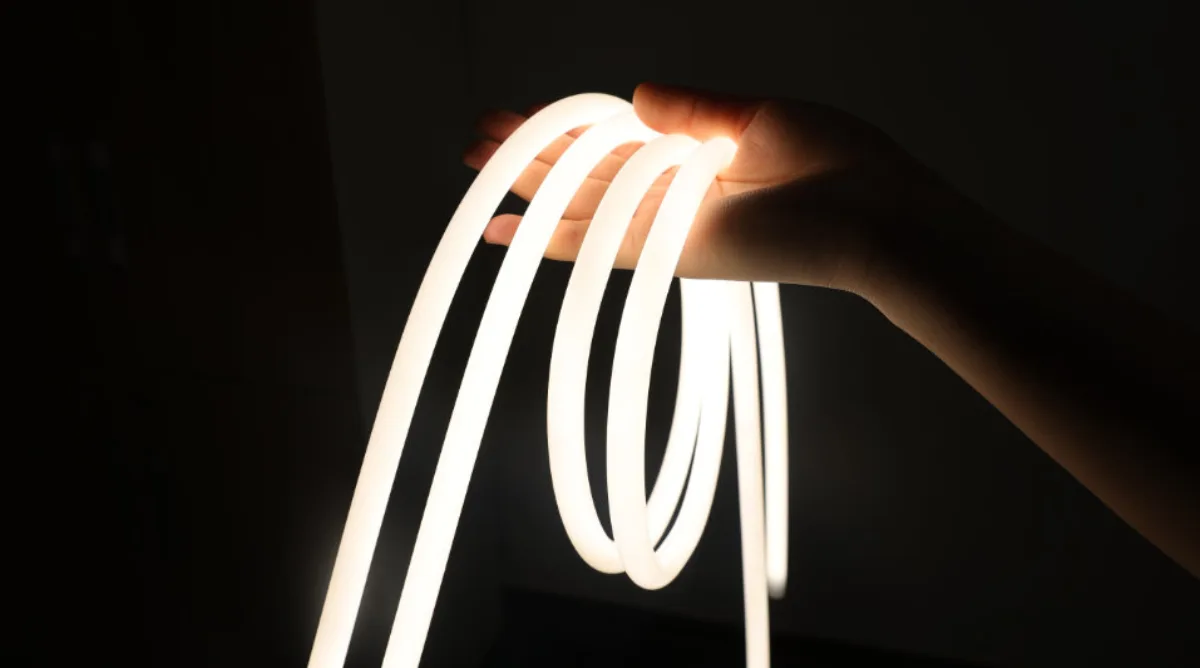
NEON FLEX 360° SMD LED Neon Static White 4.4 W/ft 24V Ø18 mm IP65
SMD · 24V · 3000K · 244 lm/ft
NEON FLEX 360° SMD LED Neon Static White 4.4 W/ft 24V Ø18 mm IP67
SMD · 24V · 3000K · 244 lm/ft
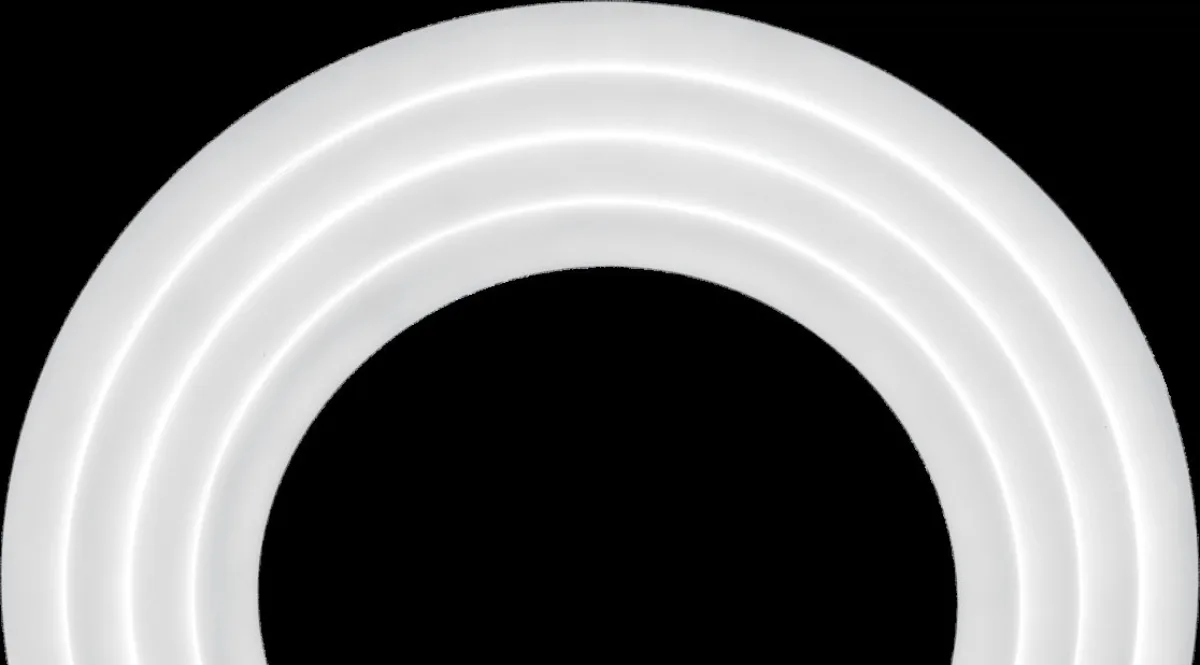
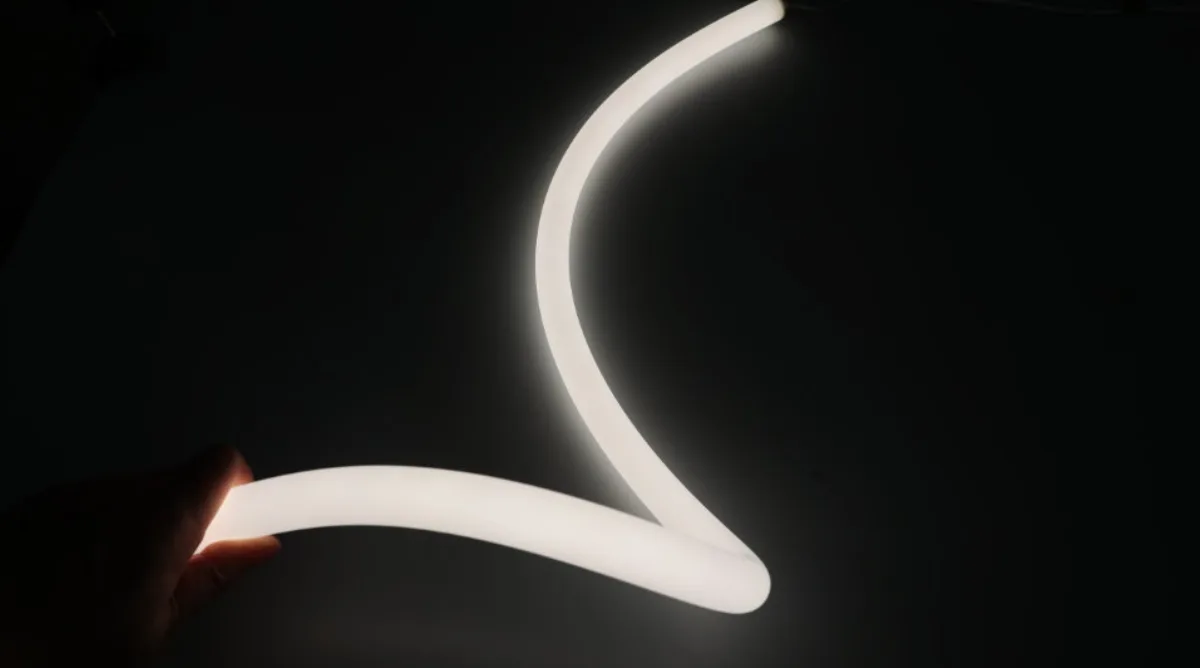
NEON FLEX 360° SMD LED Neon Static White 4.6 W/ft 24V Ø23 mm IP65
SMD · 24V · 3000K · 290 lm/ft
Specifying neon flex
Neon flex encases the emitters in a moulded silicone or PVC body that diffuses the light along its whole length. The result reads as a continuous drawn line rather than a lit channel, which is why it is used for signage, coves with visible edges, handrail undersides, and anywhere the light itself is meant to be part of the composition.
The body determines how it bends. Side-bend profiles curve in the plane of the face and suit lettering and flowing shapes; top-bend profiles curve edge-on and suit steps, arches and vertical returns. Choosing the wrong orientation is the most common specification error, because the sample looks right on a desk and refuses to sit right on site.
Cutting is more restricted than tape. Neon flex cuts at longer intervals and each cut needs a sealed end cap, so an unplanned trim on site can compromise the ingress rating it was chosen for.
Common questions
What is the difference between LED neon flex and glass neon?
Glass neon is a gas-filled tube driven by a high-voltage transformer. LED neon flex is a low-voltage LED strip inside a diffusing silicone jacket. It looks similar, uses far less energy, runs cool, does not break when bumped and can be bent on site.
Can LED neon flex be cut?
Yes, at the marked cut points. Seal the cut end with the matching end cap and silicone afterwards, or the run loses its water protection at that point.
What is the difference between top-bend and side-bend neon flex?
It is the direction the strip bends while emitting light toward the viewer. Top-bend curves within the plane you look at, which suits lettering and shapes on a wall. Side-bend curves the other way, which suits contours, edges and outlines. Our guide on neon bend types covers it with examples.
Can LED neon flex be used outdoors?
Choose a version rated IP65 or higher for exterior use and seal every cut end and connection. Keep the driver in a dry or properly rated enclosure.