
Underwater
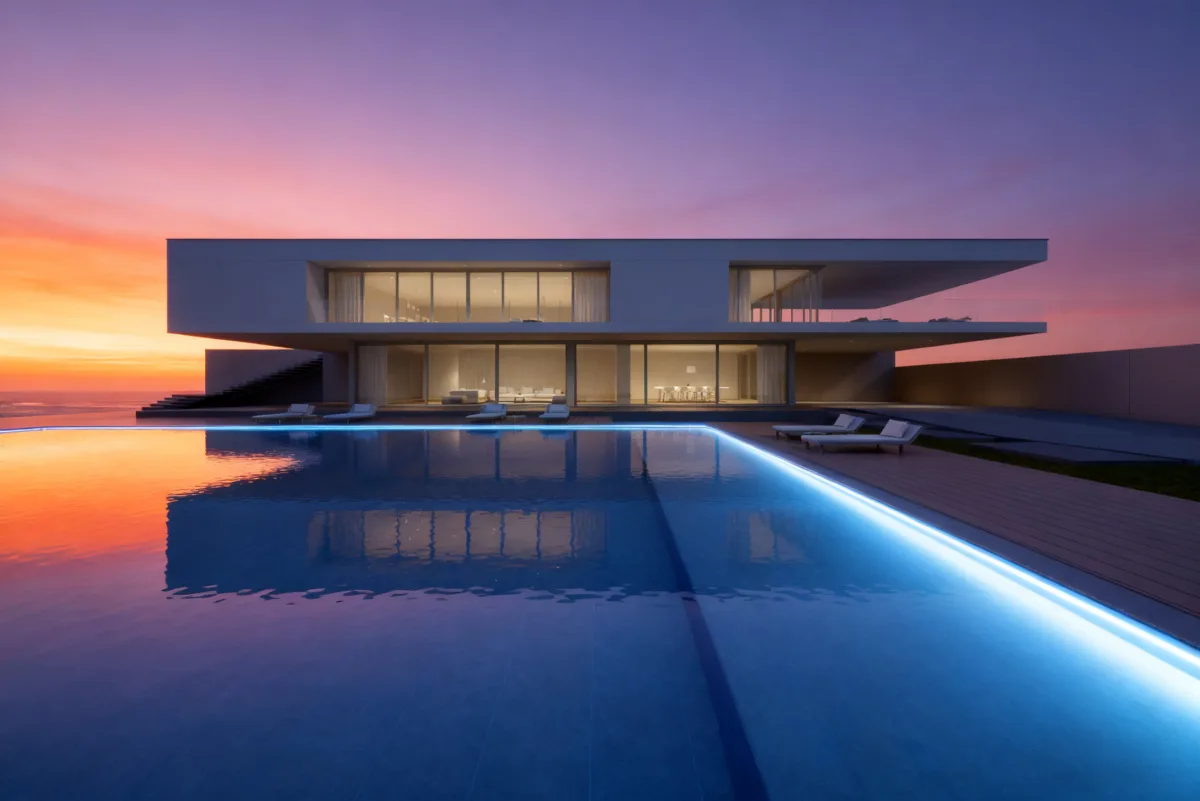
Purpose-built neon for pools, fountains and water features.
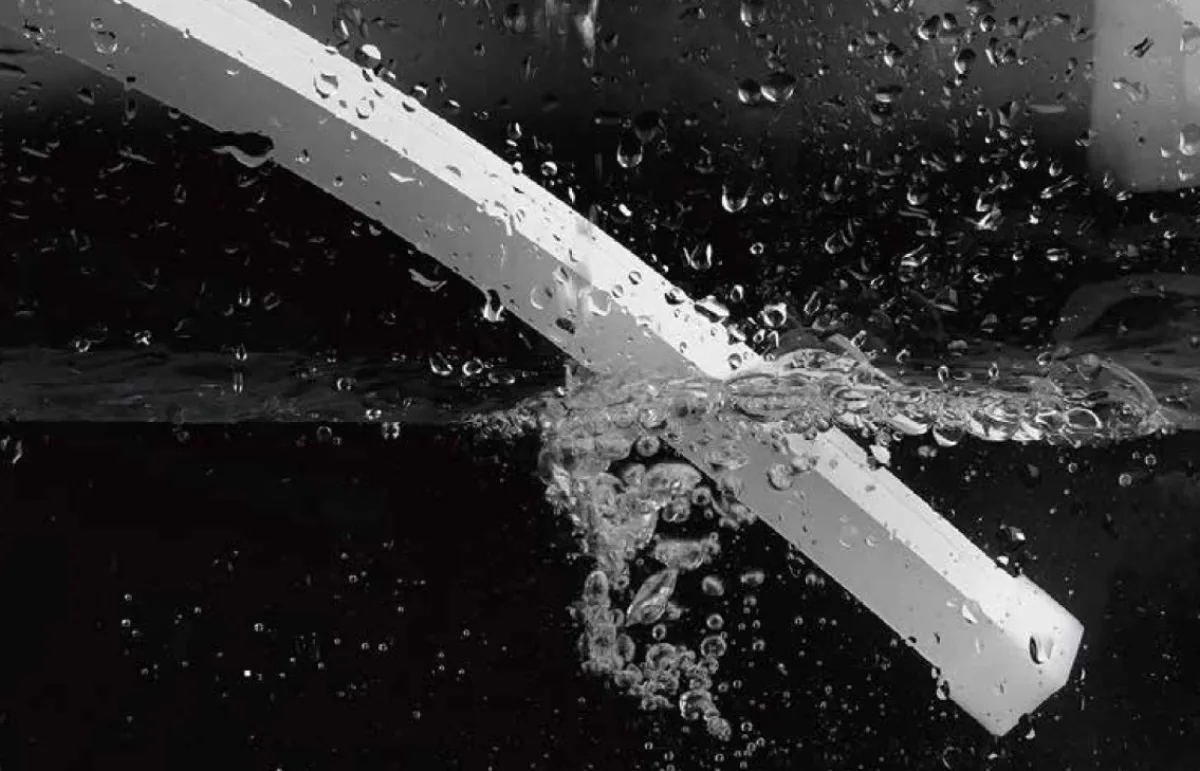
UNDERWATER NEON FLEX SIDE BEND SMD LED Neon Static White 3.7 W/ft 24V 12×20 mm IP68
SMD · 24V · 3000K · 107 lm/ft
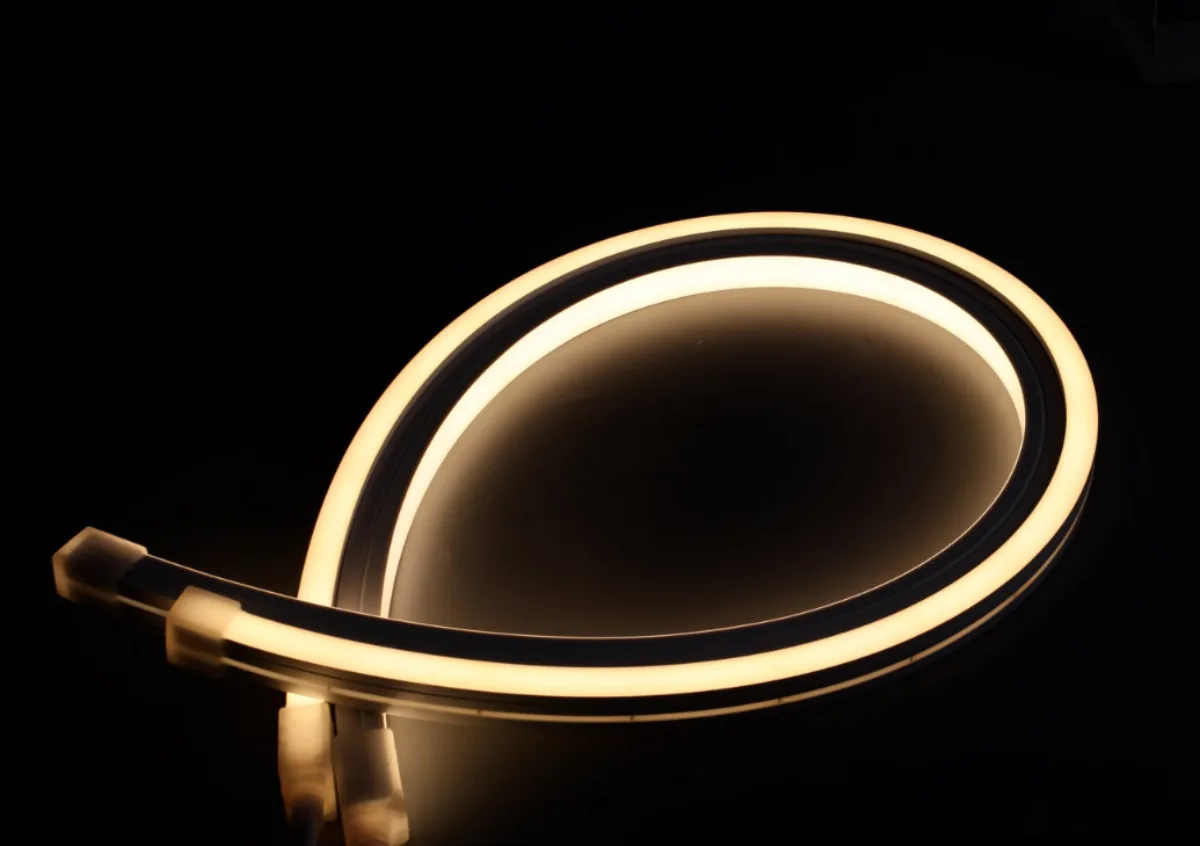
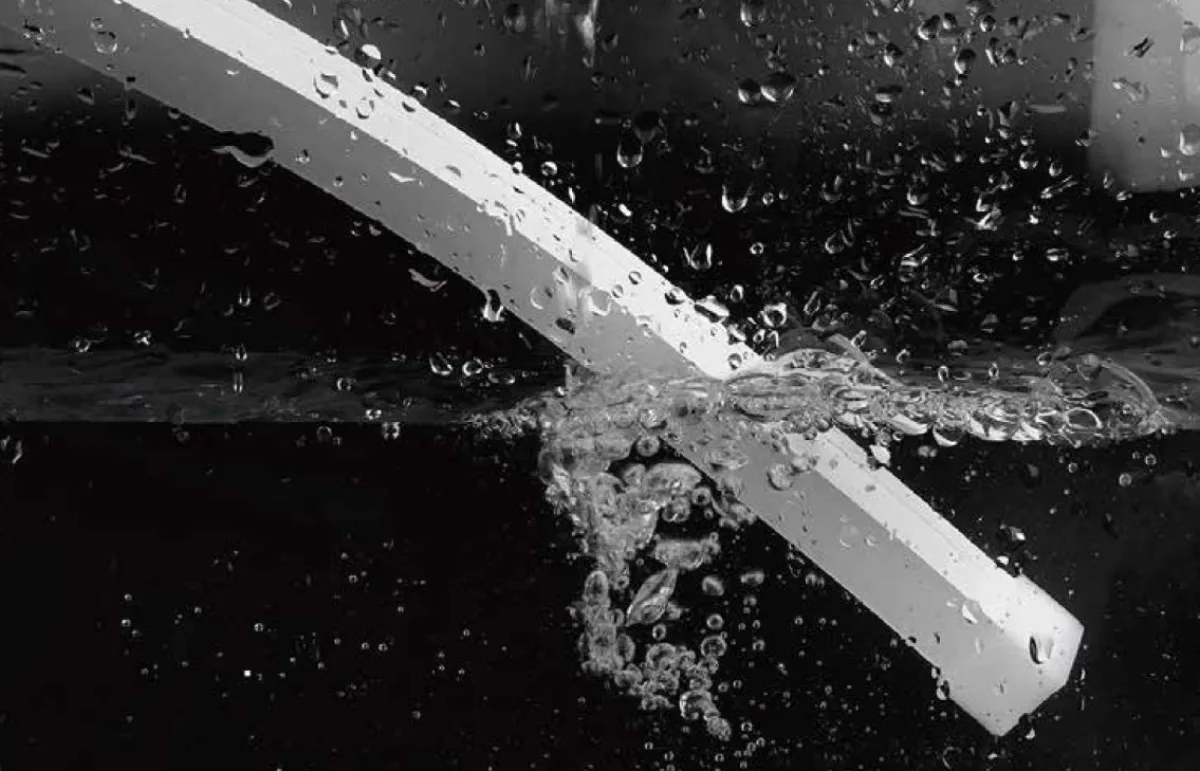
UNDERWATER NEON FLEX TOP BEND SMD LED Neon Static White 3.7 W/ft 24V 16×16 mm IP68
SMD · 24V · 3000K · 165 lm/ft
Specifying light below the waterline
Underwater lighting is the one place where IP68 is not a margin of safety but the minimum. The product sits in water permanently, often treated water, and every seal, end cap and lead entry has to hold for years.
The installation is governed by code, not preference. Pool and fountain lighting in the United States falls under NEC Article 680, which sets supply voltage, bonding and where drivers and junction boxes may sit. Involve the electrician and the inspector early.
Treated water matters too. Chlorine and especially salt systems are harder on jackets and seals than fresh water, so tell us how the water is treated when you ask for a quote.
Common questions
Is IP68 enough for a swimming pool?
IP68 describes how well the product keeps water out. A pool installation also has to meet NEC Article 680 and local code, which can require luminaires listed for underwater use. Confirm the requirement with your electrician or inspector, and ask us for the documentation for the product you plan to use.
Does chlorine or salt water damage LED strip?
Treated water is harder on jackets and seals than plain water, and salt systems are the hardest. Tell us how the water is treated when you request a quote so the right product is specified.
Where does the power supply go for underwater lighting?
Out of the water and out of the wet area, in a location and enclosure that code allows for pool equipment. Placement and bonding are code requirements, not preferences.