
Tunable White
Dual-channel strips that tune from warm to cool on one run.
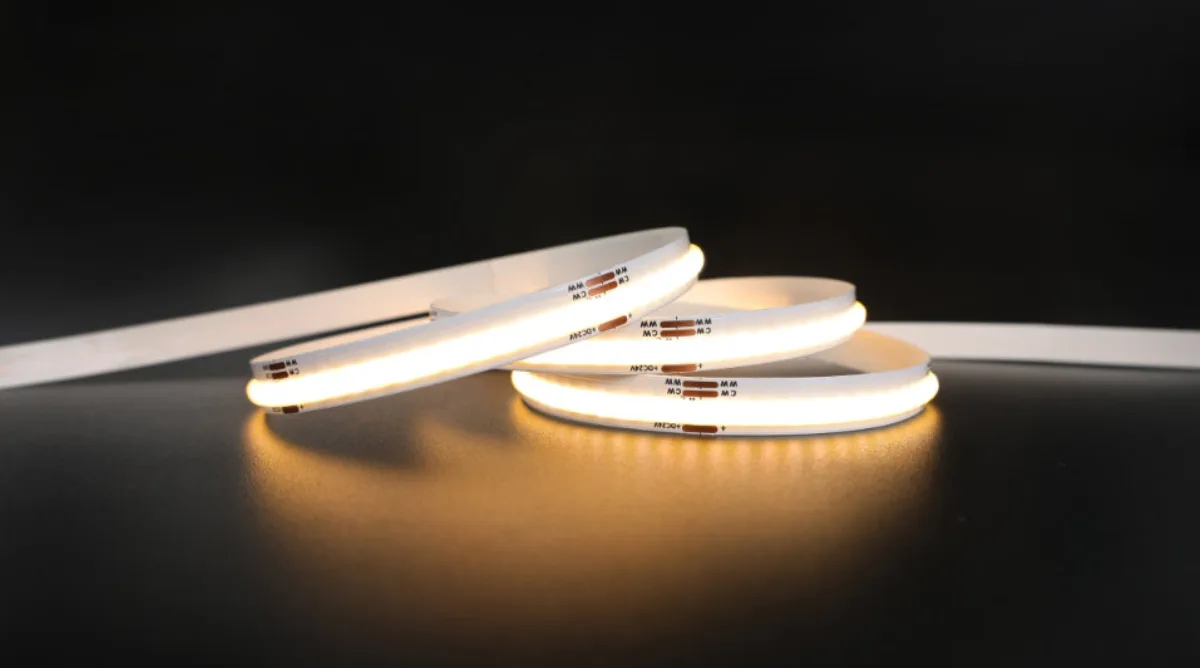

INDOOR TUNABLE WHITE COB LED Strip 2700K–6500K 2.1 W/ft 24V 8 mm IP20
COB · 24V · 2700K–6500K
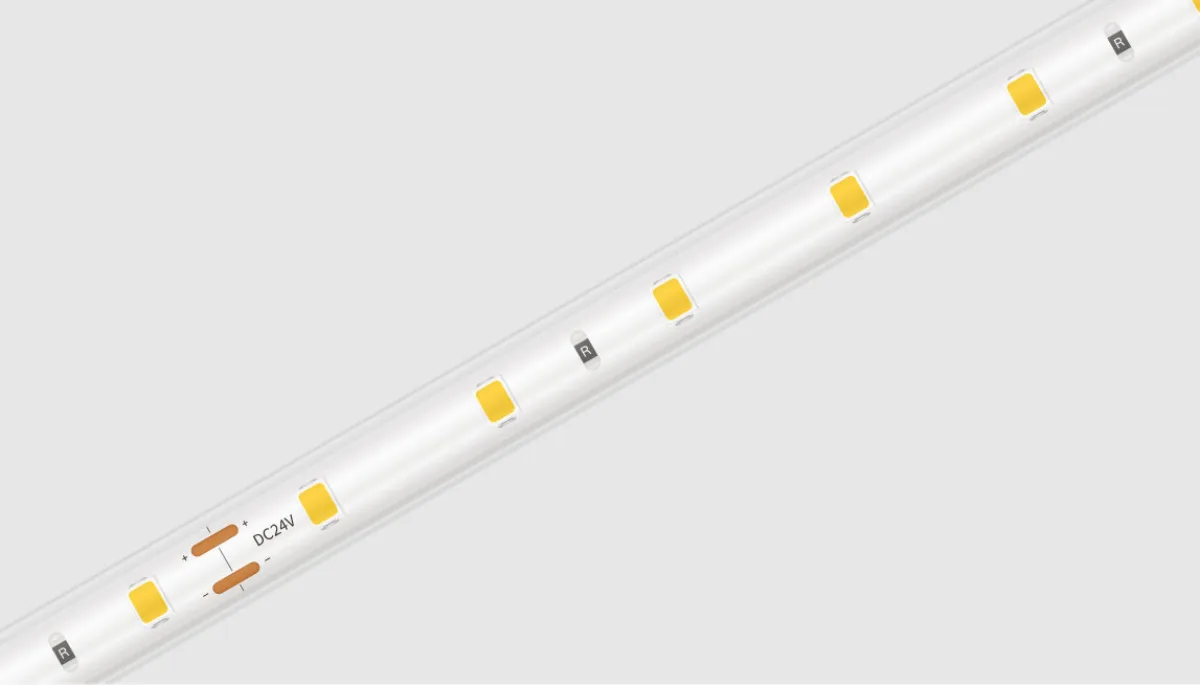
WATERPROOF TUNABLE WHITE COB LED Strip 2700K–6500K 2.1 W/ft 24V 8 mm IP65
COB · 24V · 2700K–6500K
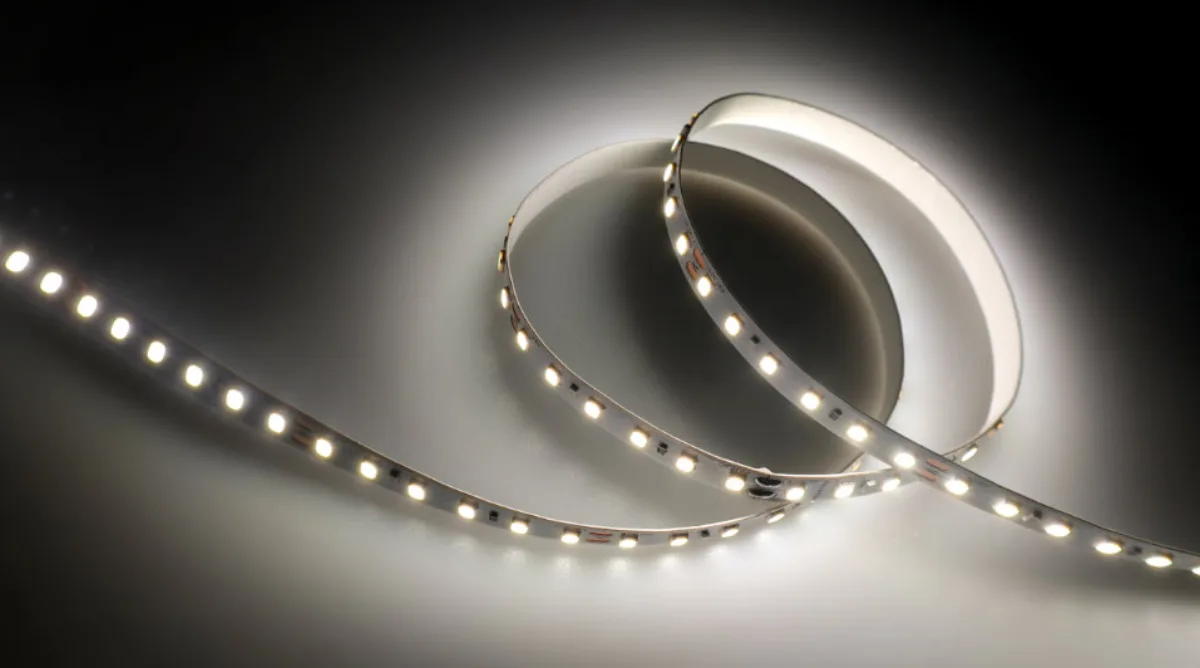
WATERPROOF TUNABLE WHITE COB LED Strip 2700K–6500K 2.1 W/ft 24V 8 mm IP67
COB · 24V · 2700K–6500K
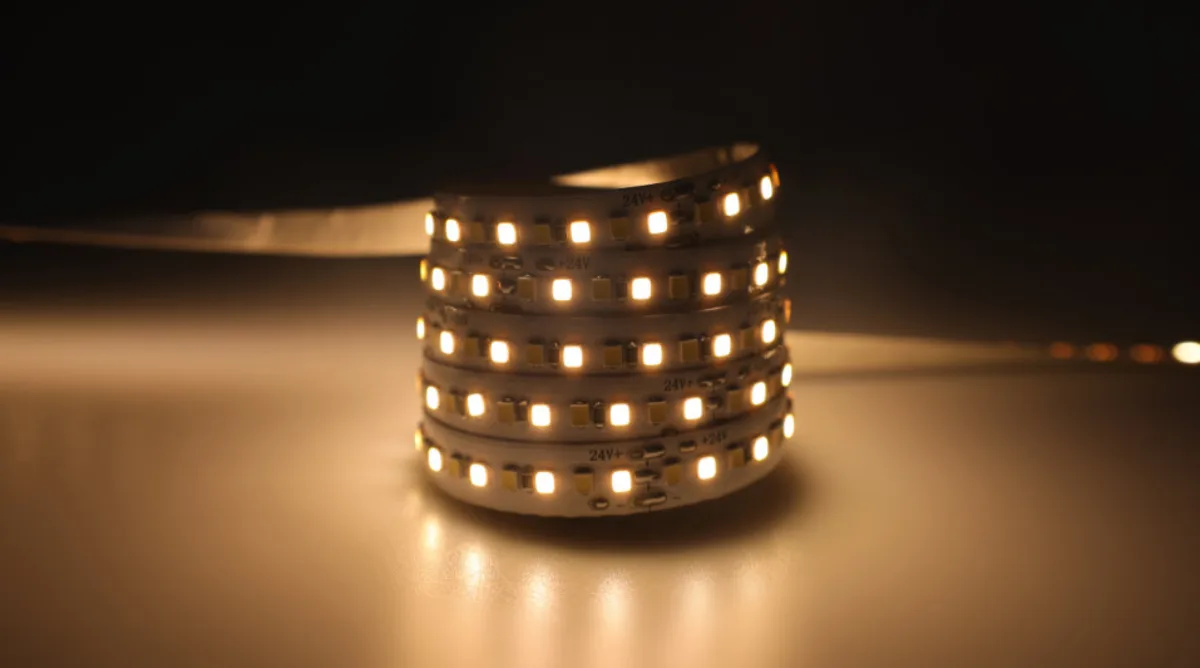

INDOOR TUNABLE WHITE SMD LED Strip 2700K–6500K 1.8 W/ft 24V 8 mm IP20
SMD · 24V · 2700K–6500K
WATERPROOF TUNABLE WHITE SMD LED Strip 2700K–6500K 1.8 W/ft 24V 8 mm IP65
SMD · 24V · 2700K–6500K
Specifying tunable white
Tunable white carries two LED channels on one strip — typically a warm around 2700K and a cool around 6500K — and mixes them to land anywhere between. Unlike dim-to-warm, the color temperature is set independently of brightness, so a space can sit at 5000K at full output in the morning and 2700K at full output in the evening.
It costs you a conductor and a controller. The strip needs a driver plus a CCT controller rather than a plain constant-voltage supply, and the run needs the extra channel carried the whole way. Plan that at first fix, not after the channel is in.
Specify it where a room changes job through the day: kitchens that become dining rooms, offices used into the evening, hospitality spaces that shift from breakfast to bar. Where the goal is simply a warm, familiar dimming feel, dim-to-warm is simpler and cheaper.
Common questions
What do I need to run tunable white LED strip?
A constant-voltage driver sized for the run, plus a controller or dimming system that drives two channels (warm and cool). Common options are a dedicated CCT controller, DALI DT8, two-channel 0-10V or DMX.
How is tunable white wired?
Usually with three conductors: a common positive and one negative each for the warm and cool channels. Carry all three the full length of the run and to every feed point.
What is the difference between tunable white and dim-to-warm?
Tunable white sets color temperature independently of brightness, so the room can be cool at full output or warm at full output. Dim-to-warm ties the two together and gets warmer as it dims, like an incandescent lamp.